Men Series
Butea Superba Side Effects and Safety: What to Know
Reported Side Effects Butea superba, also called red Kwao Krua, has a long history in Thai traditional medicine. But a long history…

Posted in Wellness | By Yasmin S.

As demand for natural wellness grows, the way we farm herbs matters more than ever. Sustainable herb farming is no longer just an option—it’s a responsibility. And regenerative agriculture is leading the way.
Unlike conventional farming that often depletes soil, regenerative agriculture focuses on restoring it. This method improves soil structure, enhances biodiversity, and supports long-term productivity.
Key practices include:
Herbs absorb nutrients and active compounds directly from the soil. Poor soil leads to weak plants and lower-quality extracts. Healthy soil, on the other hand, produces herbs rich in phytochemicals—like flavonoids, alkaloids, and phytoestrogens.
Good soil health results in:
In Thailand, farms growing Pueraria Mirifica and Butea Superba are beginning to adopt regenerative methods. They:
This not only protects herb quality—it also preserves the ecosystem and supports local communities.
Regenerative herb farming offers more than sustainability. It delivers:
Sustainable herb farming is about more than growing clean herbs—it’s about healing the land they grow in. Regenerative agriculture brings a future where herbal wellness and environmental care grow hand in hand.
Visit us at: https://stherb.com/product-category/products/
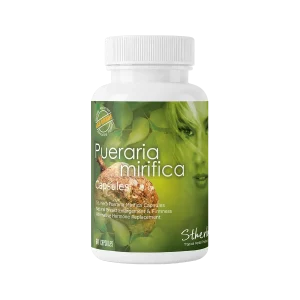
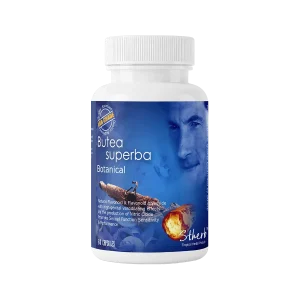
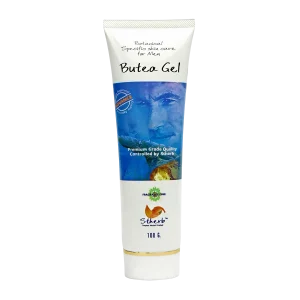
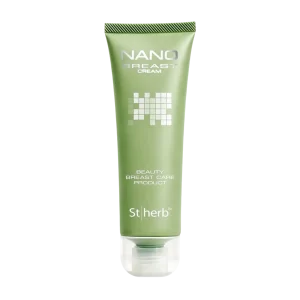
Explore Stherb’s Thai herbal skincare and supplements, crafted from research-backed botanicals.
Reported Side Effects Butea superba, also called red Kwao Krua, has a long history in Thai traditional medicine. But a long history…
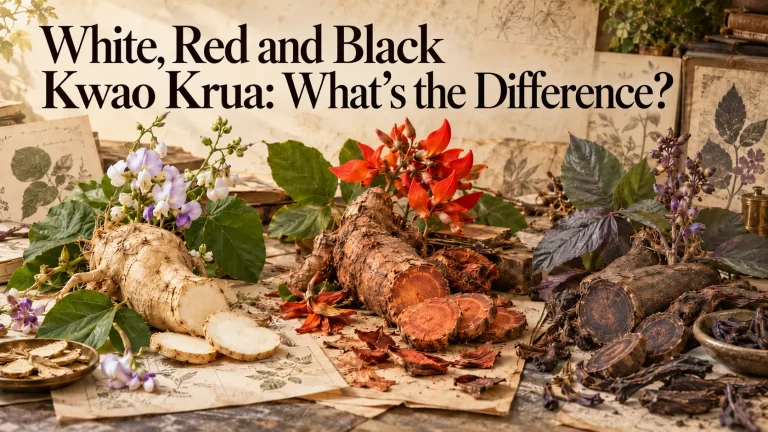
White, red and black Kwao Krua are three different Thai plants, not three strengths of one herb. Here's how to tell them…
There is no single Pueraria Mirifica dosage. Here is how to read the label, compare forms, and dose safely.