Wellness
Does Pueraria Mirifica Cause Weight Gain?
Weight on the scale is not the same as body fat. See what research says about Pueraria Mirifica, water retention and where…


For centuries, Thai traditional medicine has relied on the healing properties of natural herbs to support women’s health. Modern research continues to highlight how herbs like Pueraria mirifica, Zingiber officinale Roscoe (ginger), Piper chaba Hunt, and Caesalpinia sappan Linn provide numerous health benefits, from improving hormonal balance and circulation to boosting skin radiance and reducing inflammation.
Let’s explore how these powerful botanicals can play a key role in enhancing women’s vitality, beauty, and long-term wellness.
Pueraria mirifica, known locally as Kwao Krua Kao, is one of Thailand’s most celebrated herbs for women’s health. Rich in phytoestrogens, plant compounds that mimic estrogen, it helps support hormonal balance, especially during menopause.
Research suggests that phytoestrogens in Pueraria mirifica can help alleviate menopausal symptoms such as hot flashes, vaginal dryness, and mood changes, while also promoting skin elasticity and breast firmness (Manonai et al., 2008). Moreover, it contains antioxidant properties that combat free radicals, supporting graceful aging and youthful skin (Cherdshewasart & Sriwatcharakul, 2007).
Ginger, or Zingiber officinale Roscoe, is a household remedy across Asia. For women, it’s especially beneficial for menstrual comfort, digestive support, and anti-inflammatory effects.
Studies show that ginger can significantly reduce menstrual pain (dysmenorrhea) when taken regularly (Ozgoli et al., 2009). Its natural compounds, such as gingerols and shogaols, also help improve blood flow and enhance metabolism, contributing to better energy and skin vitality.
Ginger’s soothing properties make it a great addition to daily supplements or herbal teas for women seeking natural balance and comfort.
Known as Dee Plee in Thai traditional medicine, Piper chaba Hunt is a warming herb used to improve blood circulation, reduce inflammation, and enhance metabolic health.
It is often combined with other herbs to boost energy and vitality, particularly in women who experience fatigue or poor circulation. Piper chaba also contains antioxidant compounds that may protect the body from oxidative stress, supporting both internal health and a glowing appearance (Tewtrakul et al., 2009).
By promoting healthy circulation, Piper chaba helps nourish skin and tissue, contributing to overall wellness and youthful vitality.
Commonly known as Sappanwood or Heartwood tree, Caesalpinia sappan Linn is famous for its vivid red extract, rich in brazilin, a natural antioxidant and anti-inflammatory compound.
Traditionally, it’s used in Thai and Ayurvedic medicine to purify blood, enhance skin tone, and support uterine health. Studies indicate that Caesalpinia sappan possesses antioxidant, antibacterial, and anti-aging properties (Tuntiwachwuttikul et al., 2003), making it a popular ingredient in both supplements and natural cosmetics.
Women benefit from its blood-enhancing effects, which improve circulation and contribute to radiant, healthy skin.
Together, Pueraria mirifica, ginger, Piper chaba, and Caesalpinia sappan Linn represent a holistic approach to women’s health, one that supports the body naturally, from the inside out.
These herbs balance hormones, ease menstrual discomfort, improve circulation, and promote radiant skin. By integrating them into daily wellness routines, through herbal supplements, teas, or skincare, women can enjoy the gentle yet powerful benefits of Thailand’s botanical treasures.
Nature’s pharmacy has long been the foundation of feminine well-being, and with continued scientific research, these herbs remain timeless allies in women’s health.
Explore our website to learn more: Click Here
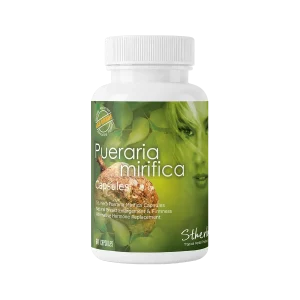
Explore Stherb’s Thai herbal skincare and supplements, crafted from research-backed botanicals.
Weight on the scale is not the same as body fat. See what research says about Pueraria Mirifica, water retention and where…
Quick answer Herbal supplement tolerance can develop when the body adapts to repeated exposure through mechanisms such as receptor downregulation, faster compound…
Quick answer Zinc and magnesium provide important nutritional support for hormone-related processes that herbal supplements depend on. Zinc is involved in testosterone…