
Wellness
Does Pueraria Mirifica Cause Weight Gain?
Weight on the scale is not the same as body fat. See what research says about Pueraria Mirifica, water retention and where…

Posted in Wellness | By Yasmin S.
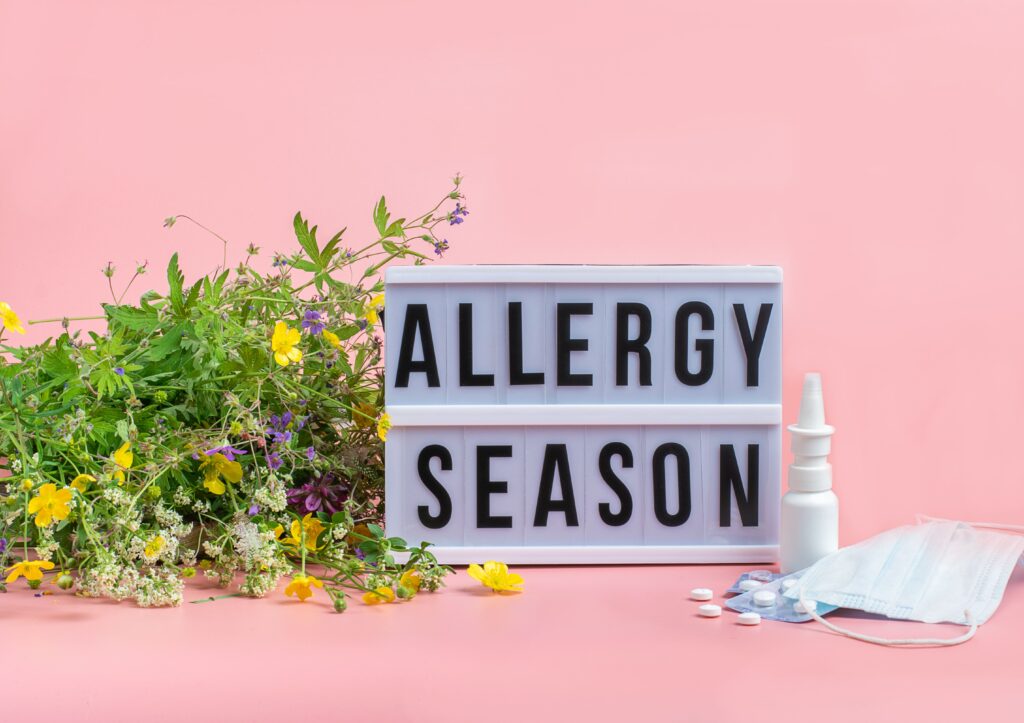
When spring or autumn rolls around, many people experience itchy eyes, sneezing, and congestion. But pollen doesn’t just affect your sinuses—it can also irritate your skin. During high-pollen seasons, sensitive or allergy-prone skin can become red, dry, and inflamed. Knowing how to care for your skin during these times is key to staying comfortable and balanced.
Pollen grains are microscopic particles that can land on your skin and trigger an allergic reaction, especially in people with sensitive skin or eczema. Exposure to pollen may weaken the skin barrier, increase inflammation, and worsen symptoms like redness, itching, and dryness. People who already deal with rosacea or dermatitis may find their conditions flare up during allergy season.
Related Skin Sensitivity
If these symptoms occur seasonally and coincide with hay fever or pollen alerts, your skin may be reacting to allergens in the air.
1. Cleanse Gently, But Thoroughly
Wash your face morning and night to remove pollen and pollutants. Use a gentle, sulfate-free cleanser that won’t strip your skin’s natural oils.
2. Avoid Over-Exfoliation
Your skin may already be inflamed, so skip harsh scrubs or acids. Opt for calming ingredients like oat extract or panthenol instead.
3. Strengthen the Skin Barrier
Choose moisturizers that contain ceramides, hyaluronic acid, or niacinamide to keep the skin hydrated and resilient.
4. Use Fragrance-Free Products
Fragrance can increase irritation. Stick to hypoallergenic, fragrance-free formulas during allergy season.
5. Protect with a Physical Sunscreen
Choose a mineral sunscreen with zinc oxide or titanium dioxide. These are less likely to irritate sensitive skin and help block allergens from contacting the skin directly.
6. Keep Windows Closed and Shower After Going Outside
This reduces your skin’s exposure to airborne pollen. Also, wash pillowcases more frequently during peak pollen months.
7. Consider Antihistamines
If your skin symptoms are allergy-related, over-the-counter antihistamines may help calm both internal and external reactions. Always consult with a healthcare provider before starting any new medication.
These ingredients have soothing, anti-inflammatory properties that can help calm seasonal skin flare-ups.
Allergy season can be tough on your skin, but with the right routine, you can minimize discomfort and keep your complexion calm and clear. Pay attention to your skin’s reactions, switch to gentler products when needed, and protect yourself from environmental triggers. Small changes can make a big difference when pollen levels are high.
Visit us at: https://stherb.com/product-category/products/
Explore Stherb’s Thai herbal skincare and supplements, crafted from research-backed botanicals.
Weight on the scale is not the same as body fat. See what research says about Pueraria Mirifica, water retention and where…
Quick answer Herbal supplement tolerance can develop when the body adapts to repeated exposure through mechanisms such as receptor downregulation, faster compound…
Quick answer Zinc and magnesium provide important nutritional support for hormone-related processes that herbal supplements depend on. Zinc is involved in testosterone…