
Wellness
Does Pueraria Mirifica Cause Weight Gain?
Weight on the scale is not the same as body fat. See what research says about Pueraria Mirifica, water retention and where…

Posted in Wellness | By Yasmin S.
Nanotechnology has made its way into the beauty world, promising smoother textures, deeper absorption, and more targeted results. This trend, often called “nano-beauty,” involves the use of nanoparticles—extremely small particles measured in nanometers—within skincare and cosmetic formulations. But while the technology offers potential benefits, it also raises concerns about long-term safety and transparency.
Nanoparticles are particles so small that they’re measured in billionths of a meter. In cosmetics, they’re often used to improve how ingredients are delivered into the skin. Common types include:
Their small size allows them to penetrate deeper layers of the skin or enhance stability and spreadability.
1. Improved Skin Absorption
Nano-sized ingredients can pass through the outermost layer of the skin more easily, delivering actives like vitamins, antioxidants, or peptides where they’re needed most.
2. Enhanced Texture and Appearance
Nanoparticles help create lighter, silkier products with better spreadability. They also allow sunscreens to be transparent instead of chalky.
3. Greater Product Stability
Encapsulating ingredients in nanoparticles can protect them from degradation due to light, air, or pH changes—extending shelf life and effectiveness.
4. Targeted Action
Some formulations aim to release ingredients slowly or only at specific depths, improving efficacy and reducing irritation.
Despite the benefits, there are growing concerns over the use of nanoparticles in skincare, especially when their size may allow deeper-than-intended penetration into the body.
Key safety concerns include:
Most studies show nanoparticles in topical products like sunscreens stay on the surface of healthy skin. But questions remain, especially for damaged or compromised skin.
Manufacturers may not always list nano-ingredients clearly. However, clues include:
Look for transparent labeling and safety claims backed by testing.
Not necessarily. Some forms—such as nano-sized zinc oxide in mineral sunscreens—are considered safe and even beneficial for sensitive skin. What matters is formulation quality, dosage, and your skin type.
If concerned, opt for “non-nano” labeled products or consult with a dermatologist for recommendations.
Nanotechnology has transformed modern cosmetics, but like all innovation, it comes with pros and cons. Staying informed about what’s in your products helps you make better choices for your skin—and peace of mind.
Visit us at: https://stherb.com/product-category/products/
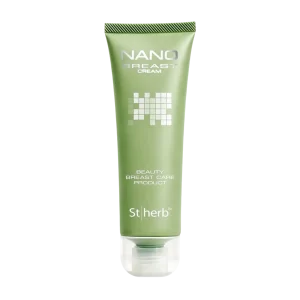
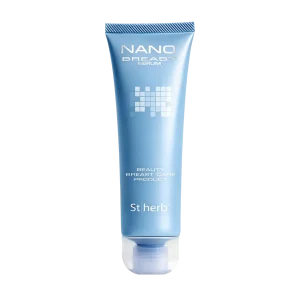
Explore Stherb’s Thai herbal skincare and supplements, crafted from research-backed botanicals.
Weight on the scale is not the same as body fat. See what research says about Pueraria Mirifica, water retention and where…
Quick answer Herbal supplement tolerance can develop when the body adapts to repeated exposure through mechanisms such as receptor downregulation, faster compound…
Quick answer Zinc and magnesium provide important nutritional support for hormone-related processes that herbal supplements depend on. Zinc is involved in testosterone…