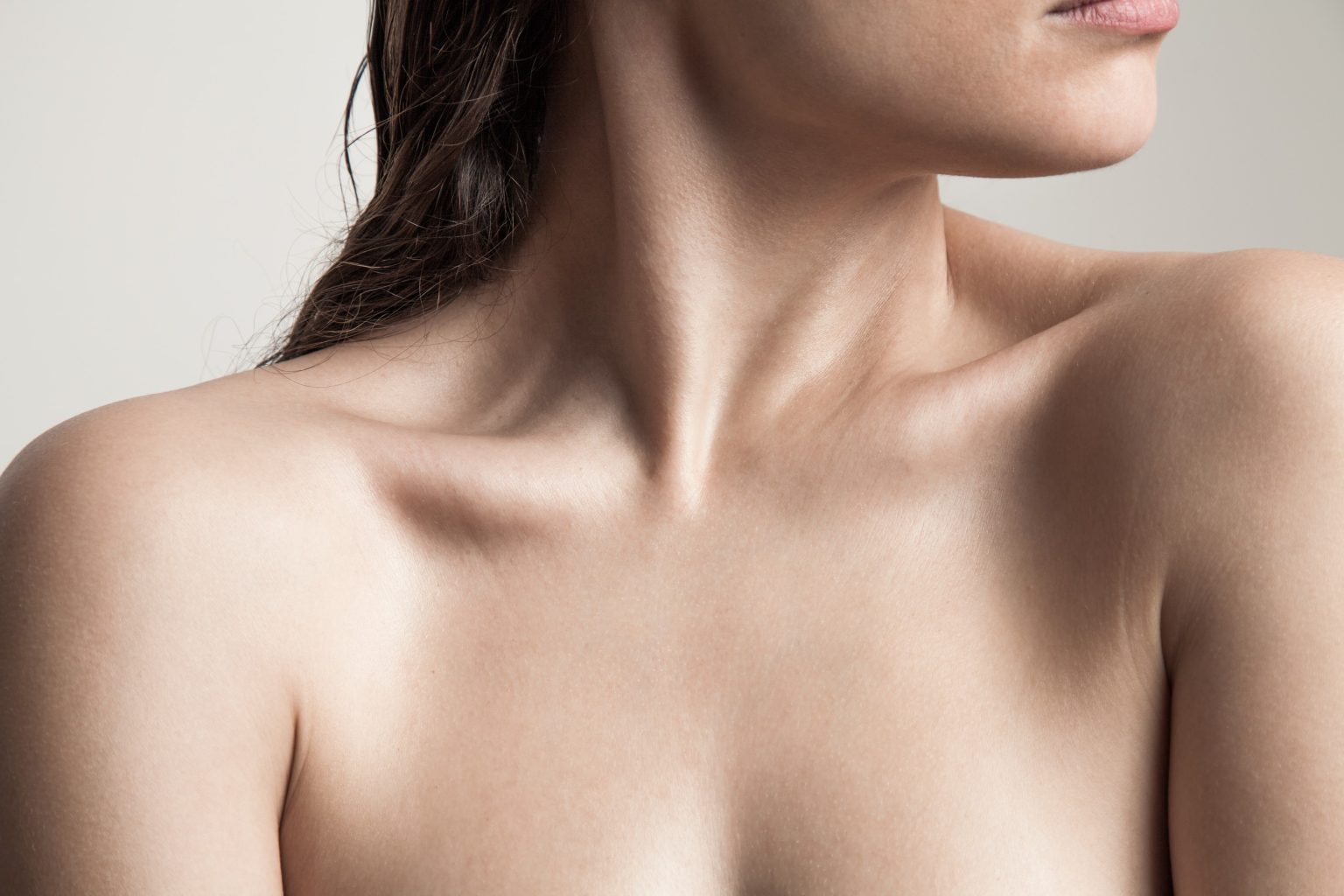
Breast skin elasticity plays a central role in comfort, appearance, and tissue resilience. The skin of the breasts is structurally delicate, with fewer sebaceous glands and limited underlying muscle support. Its strength depends heavily on collagen density, elastin integrity, circulation, hydration, and hormonal signaling.
As women age, collagen production naturally declines. Estrogen fluctuations, ultraviolet exposure, mechanical strain, nutritional deficiencies, and oxidative stress further influence skin quality. While these changes are biological, daily habits can meaningfully support breast skin firmness and elasticity.
Understanding Breast Skin Elasticity
Elasticity refers to the skin’s ability to stretch and return to its original form. This property depends on:
Collagen for structural strength
Elastin for recoil
Hyaluronic acid for hydration
Capillary circulation for nutrient delivery
Hormonal support for cellular renewal
When these systems weaken, skin becomes thinner, drier, and less resilient.
Massage and Circulation Support
Gentle breast massage enhances:
Blood flow
Oxygen delivery
Nutrient exchange
Lymphatic drainage
Tissue temperature regulation
Improved circulation supports fibroblast activity, the cells responsible for collagen and elastin production. Massage also reduces tissue stagnation and supports skin tone. When combined with botanical oils or creams, topical massage strengthens the skin barrier and moisture retention.
Estrogen supports skin thickness, moisture retention, and collagen density. During perimenopause and menopause, declining estrogen contributes to dryness, thinning, and reduced elasticity.
Lifestyle strategies that stabilize insulin, cortisol, and thyroid activity indirectly support estrogen balance and skin health.
Conclusion
Breast skin elasticity reflects far more than surface appearance. It mirrors the health of connective tissue, circulatory function, hormonal communication, and cellular hydration throughout the body. When these internal systems are supported, the skin responds with greater resilience, firmness, and comfort.
Gentle breast care routines also strengthen the relationship between awareness and physical health. They encourage women to notice changes early, nurture skin consistently, and view care as ongoing support rather than correction. Over time, this approach protects not only skin quality, but also confidence and comfort.
Disclaimer: This article is for educational purposes only and is not medical advice. Consult a qualified healthcare professional before starting any supplement, especially if you are pregnant, nursing, taking medication, or have a medical condition.
SA
Supawat Arrakrattanakun
Stherb Editorial Team
The Stherb editorial team writes about Thai herbal science, women’s and men’s wellness, and the traditional botanicals behind our products.
Continue your wellness journey
Explore Stherb’s Thai herbal skincare and supplements, crafted from research-backed botanicals.