Wellness
Does Pueraria Mirifica Cause Weight Gain?
Weight on the scale is not the same as body fat. See what research says about Pueraria Mirifica, water retention and where…

Posted in Wellness | By Yasmin S.
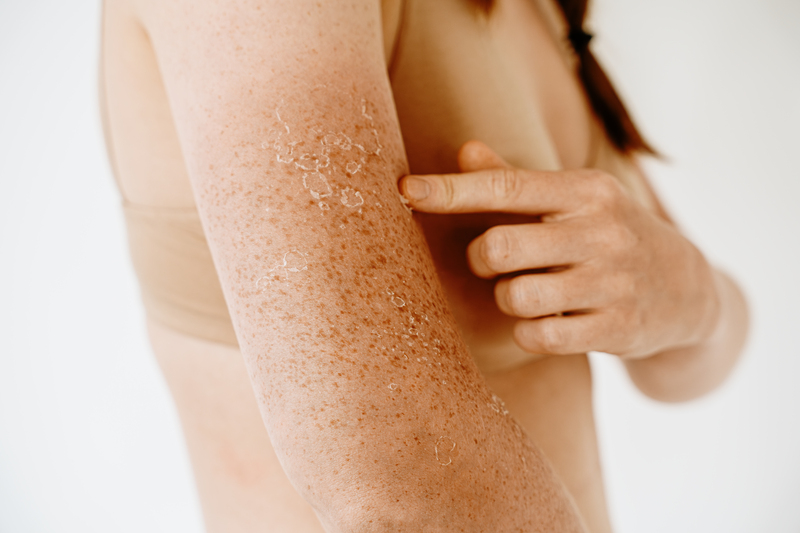
As we age, many notice changes in our skin’s texture and hydration. If you’ve started experiencing dry, flaky skin after turning 30, it might not just be due to weather or skincare routines. It could be related to hormonal shifts happening in your body.
Hormones, especially estrogen, play a crucial role in maintaining healthy, moisturized skin. Estrogen helps regulate:
After 30, estrogen levels begin to fluctuate and gradually decline, affecting these processes and leading to drier, thinner skin.
While hormones are a major factor, other causes can worsen dry skin, such as:
If dry skin persists or worsens despite good skincare and lifestyle changes, it may be wise to consult a dermatologist or endocrinologist to rule out underlying hormonal imbalances or skin conditions.
Dry skin after 30 is a common issue often linked to hormonal changes, particularly declining estrogen. By understanding the connection and adopting natural strategies, you can restore hydration and keep your skin looking healthy and radiant.
Let’s see our products which help you balance your hormones and prevent dry skin: https://stherb.com/product/stherb-breast-capsules-60-capsules/
Explore Stherb’s Thai herbal skincare and supplements, crafted from research-backed botanicals.
Weight on the scale is not the same as body fat. See what research says about Pueraria Mirifica, water retention and where…
Quick answer Herbal supplement tolerance can develop when the body adapts to repeated exposure through mechanisms such as receptor downregulation, faster compound…
Quick answer Zinc and magnesium provide important nutritional support for hormone-related processes that herbal supplements depend on. Zinc is involved in testosterone…