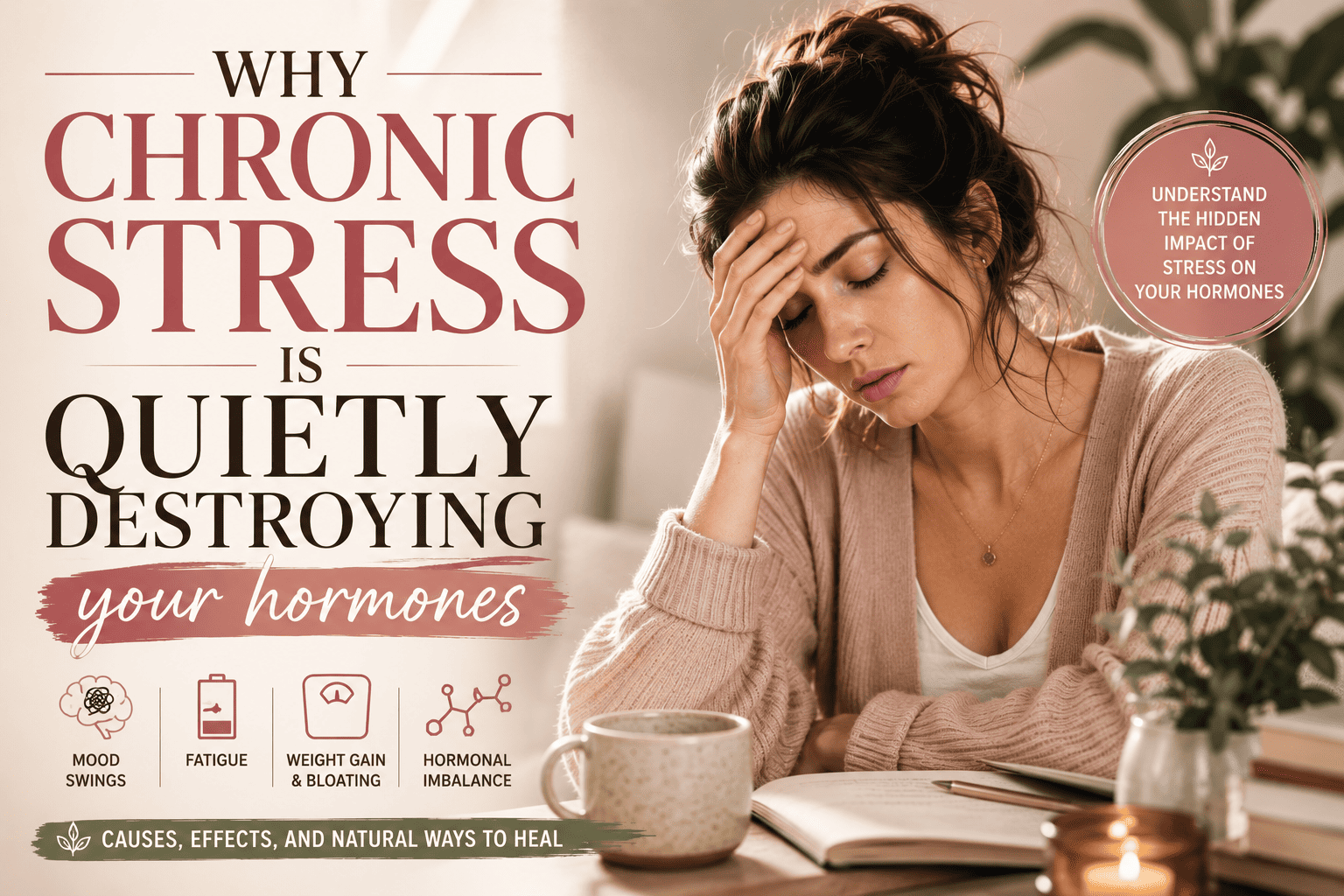
Cortisol has earned its reputation as the stress hormone — but that label undersells its complexity. The problem is not cortisol itself. The problem is what happens when it never really switches off.
The Stress Hormone That Overstays Its Welcome
Chronic stress — the kind that does not resolve between crises but simply becomes your baseline — keeps cortisol elevated for days, weeks, months, and sometimes years. Over that time, chronically high cortisol does not just make you feel anxious and tired. It actively dismantles your hormonal balance, skin health, metabolism, and sleep quality in ways that many women never connect back to stress at all.
Understanding this connection is genuinely powerful, because it means that supporting your stress response is not a luxury or a wellness add-on. It is one of the most foundational things you can do for your hormonal health, and the effects of getting it right extend far beyond simply feeling calmer.
How Cortisol Works in the Body
Cortisol is produced by the adrenal glands in response to signals from the brain's hypothalamic-pituitary-adrenal axis. Under normal circumstances, it follows a predictable daily rhythm — peaking in the early morning to help you wake and gradually declining through the day to allow sleep. It regulates blood sugar, manages inflammation, and modulates immune function.
But the HPA axis evolved to manage acute, short-term threats, not the relentless low-grade stress of modern life. When the alarm system is triggered continuously, the body has no built-in off switch strong enough to compensate. Cortisol stays elevated — and everything downstream, including your reproductive hormones, pays the price.
Cortisol and your sex hormones — estrogen and progesterone — are all manufactured from the same raw material called pregnenolone. Under chronic stress, the body prioritises cortisol above everything else.
The result is a functional deficiency in estrogen and progesterone — even if your ovaries are structurally healthy. This is why chronically stressed women often experience worsened PMS, irregular cycles, reduced libido, and accelerated perimenopausal symptoms.
Symptoms of Chronically Elevated Cortisol in Women
Many of these symptoms are widely attributed to being busy or to getting older — which is precisely why the cortisol connection is so often missed and so valuable to understand.
Diet, Nutrition & Exercise
Blood sugar instability is one of the fastest and most underappreciated cortisol triggers — and it is one you have direct control over. Every significant blood sugar spike and crash sends a low-grade stress signal to the adrenal system, triggering a cortisol response that compounds throughout the day.
Build your diet around balanced, regular meals combining protein, healthy fats, and complex carbohydrates. Anti-inflammatory foods — oily fish, leafy greens, berries, turmeric, and ginger — support adrenal recovery and reduce systemic inflammation.
For women with chronic stress, walking, yoga, Pilates, and swimming deliver mood and metabolic benefits without adding physiological load to an already overextended system. Build in at least one full rest day per week — it is part of the treatment, not a reward.
High-intensity exercise done too frequently or too late in the day can actually raise cortisol further. This creates a paradox where women train harder to manage stress and end up more hormonally disrupted as a result.
Adaptogen Herbs That Genuinely Help
Adaptogens are a specific class of plants with a well-defined ability to help the body adapt to stress more effectively by modulating the HPA axis response — without stimulating or sedating. The most evidence-backed options for cortisol reduction in women include:
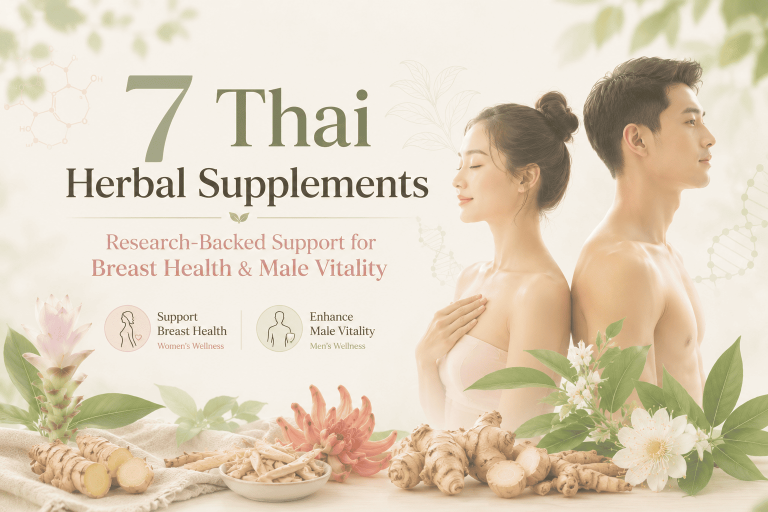
Pueraria mirifica
Multiple clinical trials have demonstrated significant reductions in cortisol levels and perceived stress scores in adults taking standardised ashwagandha extract consistently for eight to twelve weeks.
Holy Basil (Tulsi)
Adaptogenic and anti-inflammatory with supporting evidence for reducing anxiety and cortisol reactivity in both acute and chronic stress contexts.
Rhodiola Rosea
Particularly useful for the fatigue dimension of chronic stress, with evidence for improving physical and mental endurance under sustained pressure.
These herbs work cumulatively over time — not acutely. Think of adaptogens as a training programme for your stress response system, not an emergency switch. Consistency is everything.
Building Long-Term Stress Resilience
The goal of cortisol management is not the elimination of stress. Stress is unavoidable, and some degree of cortisol response is healthy and necessary. The goal is resilience — the ability to respond to stressors effectively and recover from them quickly, without the prolonged elevation that causes hormonal damage over time.
Building this resilience is a cumulative process. Consistent attention to diet quality, movement type and timing, sleep protection, and adaptogen supplementation creates a biological environment in which the adrenal system functions as it should: responsive when needed, calm when not.
If you have been dismissing your chronic tiredness, your mood fluctuations, or your persistent belly weight as inevitable features of a busy life, consider that they may be direct responses to a cortisol burden that is both measurable and addressable.
Managing cortisol is not a trend. It is one of the most foundational things you can do for your hormonal health. A calm, well-regulated nervous system is the environment in which every other hormonal intervention works better and more efficiently.
Support Your Stress Response the Natural Way
Stherb's Adaptogen range includes standardised Stherb's phytoestrogen range includes Pueraria mirifica, adrenal recovery, and hormonal stability. Designed for consistent daily use as a long-term foundation of women's wellness.
Explore Stherb Products →