
The Science of Pueraria mirifica: Bioactive Compounds, Laboratory Analysis, and Their Role in Wellness
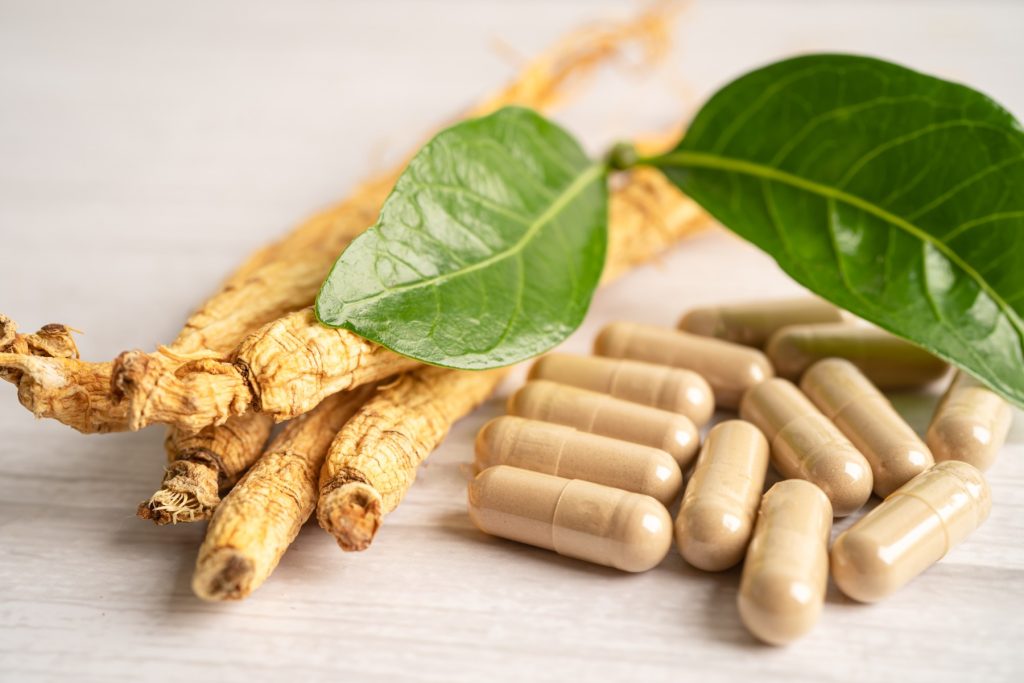
Pueraria mirifica (PM), commonly known in Thailand as Kwao Krua Kao, is one of the most scientifically studied phytoestrogen-rich botanicals in Southeast Asia. Native to Thailand and neighboring regions, this plant has traditionally been valued for its potential benefits for vitality, skin health, and hormonal balance.
In recent decades, modern phytochemical research has identified a diverse group of biologically active compounds within Pueraria mirifica, including miroestrol, puerarin, daidzin, genistin, daidzein, and genistein. These molecules primarily belong to the isoflavone and phytoestrogen families, which interact with estrogen receptors and participate in cellular signaling pathways related to metabolism, connective tissue health, and endocrine regulation.
To ensure botanical quality and transparency, laboratory analysis using High-Performance Liquid Chromatography (HPLC) can be used to quantify these compounds. Understanding both the presence and concentration of these bioactive molecules helps explain the potential physiological relevance of Pueraria mirifica for wellness support in both women and men.
The Historical Use of Pueraria mirifica

The use of Pueraria mirifica can be traced back centuries within traditional Thai herbal medicine. Historical records describe the root of the plant as a rejuvenating botanical used to support vitality, youthful appearance, and overall well-being.
From traditional herbal texts, reference its use among aging populations seeking to maintain strength, skin smoothness, and physical resilience. Although these early uses were based on empirical observation rather than modern biochemical analysis, later scientific investigation revealed that the plant contains phytoestrogenic compounds capable of interacting with estrogen receptors in the human body.
One of the most significant discoveries in Pueraria mirifica research was the identification of miroestrol and deoxymiroestrol, compounds with structural similarities to endogenous estrogen. These molecules are rarely found in other plants and are considered unique markers of this species (Cherdshewasart & Sriwatcharakul, 2007).
Further phytochemical studies identified additional isoflavones, such as puerarin, daidzin, genistin, daidzein, and genistein, which contribute to the plant’s complex biological profile (Malaivijitnond, 2012).
From Farm to Our Customers

The concentration of bioactive compounds in Pueraria mirifica is strongly influenced by agricultural conditions and plant maturity. Soil composition, climate, altitude, and harvesting time can significantly affect the phytochemical development of the root.
Research indicates that older and mature plants accumulate higher levels of phytoestrogenic compounds, particularly miroestrol and isoflavones. As a result, careful cultivation and harvesting practices are necessary to preserve the plant’s full biochemical potential.
At Stherb, maintaining botanical quality begins with responsible sourcing from carefully selected farms. Proper harvesting, drying, and storage procedures help preserve sensitive compounds and prevent degradation before extraction and formulation. This farm-to-formulation approach supports the retention of the plant’s natural phytochemical complexity while ensuring consistency in finished products.
Laboratory Testing
To verify the presence and concentration of active compounds, Pueraria mirifica samples can be analyzed using High-Performance Liquid Chromatography (HPLC). This analytical technique is widely used in pharmacognosy and pharmaceutical quality control to separate and quantify plant-derived compounds with high precision. The laboratory analysis of the tested sample identified the following bioactive compounds.
Compound | Concentration % (w/w) | Method |
Miroestrol | 0.166% | HPLC |
Puerarin | 1.212% | HPLC |
Daidzin | 0.148% | HPLC |
Genistin | 0.053% | HPLC |
Daidzein | 0.049% | HPLC |
Genistein | 0.015% | HPLC |
The results demonstrate a diverse phytoestrogenic profile, with puerarin appearing as the most abundant compound, followed by miroestrol and daidzin.
The presence of multiple phytoestrogenic compounds suggests that the extract retains a broad phytochemical spectrum, which is often considered a marker of high-quality botanical material.
Why the Ratio of Bioactive Compounds Matters
In botanical science, the biological activity of plant extracts often depends not only on individual compounds but also on the relative ratio between those compounds.
In the analyzed sample, the dominant presence of puerarin alongside moderate levels of miroestrol and daidzin, with smaller quantities of genistein and daidzein, reflects a phytochemical pattern commonly observed in authentic Pueraria mirifica roots. This compound balance may support multiple biological pathways simultaneously, including antioxidant defense, receptor modulation, and metabolic signaling. The presence of miroestrol is particularly significant because it is considered a signature phytoestrogen unique to this species.
Maintaining these compound ratios requires careful control of cultivation, harvesting, and extraction processes, as degradation or improper processing can significantly alter the phytochemical composition.
Biological Activity of Pueraria mirifica Compounds
Estrogen Receptor Interaction
Phytoestrogens are plant-derived compounds capable of interacting with estrogen receptors. Unlike synthetic hormones, however, their receptor binding affinity is generally weaker, meaning they often act as modulators rather than direct hormonal replacements (Setchell & Cassidy, 1999).
Miroestrol, detected at 0.166%, is considered one of the most biologically active compounds in Pueraria mirifica. Laboratory studies indicate that it can interact with estrogen receptors, contributing to interest in the plant for menopausal wellness and connective tissue health (Cherdshewasart et al., 2008). In women, mild phytoestrogen activity may support physiological systems related to:
- skin structure and collagen maintenance
- bone density regulation
- vascular health
- hormonal balance during aging
In men, estrogen receptors also play important roles in bone metabolism, cardiovascular regulation, and endocrine balance. Moderate phytoestrogen intake has not been shown to disrupt male hormonal health and may support metabolic stability (Messina, 2010).

Isoflavones and Antioxidant Activity
The most abundant compound detected in the analysis was puerarin, measured at 1.212%. This isoflavone glycoside has been studied for its antioxidant properties and potential effects on vascular function.
Research suggests puerarin may influence nitric oxide signaling and endothelial activity, which are important for healthy circulation and metabolic regulation (Wong et al., 2011).
Additional isoflavones, including daidzin, genistin, daidzein, and genistein, have also been widely studied for their roles in antioxidant defense and cellular signaling. These compounds can be metabolized by intestinal microbiota into active forms that participate in physiological processes related to inflammation, metabolism, and hormonal regulation (Messina, 2010).
Skin Structure and Healthy Aging
Estrogen signaling is closely linked to skin collagen synthesis, hydration, and elasticity. Isoflavones such as genistein and daidzein have been investigated for their potential ability to support fibroblast activity and reduce oxidative stress in skin tissues. Because of these mechanisms, phytoestrogen-rich botanicals have attracted interest for their potential roles in skin structure maintenance and healthy aging (Sator et al., 2004).
While more research is needed to fully understand these pathways, current evidence suggests that the combination of phytoestrogens and antioxidant compounds present in Pueraria mirifica may contribute to overall physiological resilience.
Comparison with Scientific Literature
Published phytochemical studies on Pueraria mirifica consistently identify isoflavones and miroestrol derivatives as the plant’s principal bioactive constituents. Although compound concentrations vary depending on cultivation conditions and plant maturity, the phytochemical pattern observed in the present analysis aligns with the profiles reported in scientific research.
For example, studies conducted on Thai Pueraria mirifica roots have documented similar compound groups, including puerarin, daidzin, genistein, and miroestrol derivatives, supporting the authenticity of the botanical material (Cherdshewasart et al., 2008).
Stherb’s Approach to Botanical Quality

Modern botanical formulation requires balancing traditional herbal knowledge with contemporary scientific validation. At Stherb, this approach emphasizes careful sourcing of plant materials, preservation of natural phytochemical diversity, and verification through laboratory testing.
Analytical methods such as HPLC help ensure that key compounds are present within measurable concentrations. By combining responsible cultivation practices with analytical transparency, our botanical products can better reflect both the traditional heritage and scientific understanding of plants like Pueraria mirifica.

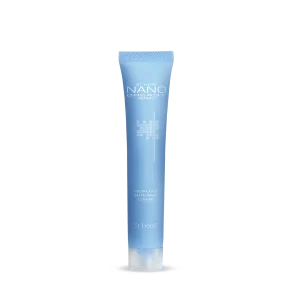
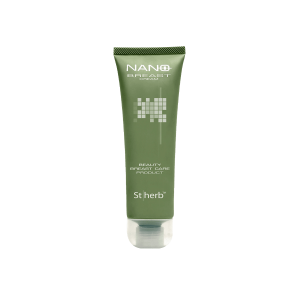
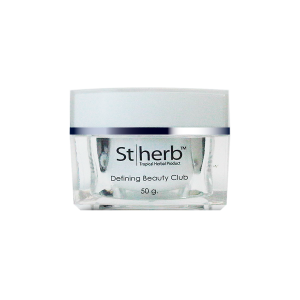
Applying Pueraria mirifica in Stherb Product Formulations
At Stherb, the formulation philosophy focuses on combining traditional herbal knowledge with modern phytochemical analysis. Rather than isolating a single compound, the goal is to preserve the plant’s full-spectrum phytochemical profile, which reflects how the botanical has historically been used.
By starting with carefully sourced Pueraria mirifica roots and verifying compound levels through laboratory testing, Stherb products aim to retain the natural diversity of phytoestrogens and isoflavones present in the plant.
This approach supports the development of botanical formulations designed to complement several areas of wellness, including:
Hormonal Resilience and Endocrine Balance
Phytoestrogens from Pueraria mirifica interact with estrogen receptors in a modulatory manner. This property has attracted scientific interest in relation to hormonal stability, particularly during life stages when natural hormone levels fluctuate.
In women, botanical phytoestrogens have been studied for potential roles in menopausal wellness, skin structure maintenance, and connective tissue support. In men, estrogen receptor signaling also contributes to bone metabolism, cardiovascular regulation, and endocrine balance.
Skin Structure and Beauty Support
Estrogen signaling is closely linked to collagen production, dermal thickness, and skin hydration. Isoflavones such as genistein and daidzein have been investigated for their ability to support fibroblast activity and protect skin from oxidative stress (Sator et al., 2004).
Because of these mechanisms, phytoestrogen-rich botanicals have gained attention in formulations designed to support healthy skin aging and structural resilience.
Botanical Antioxidant and Circulatory Support
The high concentration of puerarin (1.21%) in the analyzed sample may also contribute to antioxidant and circulatory-supporting properties. Studies suggest puerarin can influence endothelial function and nitric oxide signaling, processes important for healthy blood flow and metabolic activity (Wong et al., 2011).
Healthy circulation plays a key role in delivering oxygen and nutrients to tissues, including the skin and connective structures.
The Stherb Approach: Combining Botanical Heritage with Modern Science
As consumer interest in botanical wellness continues to grow, transparency and scientific validation are becoming increasingly important. At Stherb, product development integrates several key principles:
- careful sourcing of plant materials
- preservation of natural phytochemical diversity
- analytical verification through laboratory testing
- formulation guided by both traditional herbal knowledge and modern research
This approach reflects a broader shift in the herbal industry toward evidence-informed botanical formulation, where traditional plant use is supported by modern analytical techniques.
By combining phytochemical analysis, responsible cultivation, and thoughtful formulation, Stherb seeks to deliver botanical products that maintain both the scientific credibility and traditional heritage of Pueraria mirifica.
Conclusion
Pueraria mirifica remains one of Southeast Asia’s most intriguing botanical resources due to its unique combination of phytoestrogens and isoflavones. Compounds such as miroestrol, puerarin, daidzin, and genistein contribute to a complex phytochemical matrix capable of interacting with multiple physiological systems.
Laboratory verification through HPLC analysis confirms the presence of these compounds and supports the importance of maintaining botanical quality throughout the supply chain. When cultivated, processed, and formulated responsibly, Pueraria mirifica represents a compelling example of how traditional herbal knowledge can be integrated with modern scientific analysis.
As interest in plant-based wellness solutions continues to grow, combining analytical transparency, responsible sourcing, and evidence-based formulation will remain essential for maintaining trust and credibility in botanical supplements.
References
Cherdshewasart, W., & Sriwatcharakul, S. (2007). Major isoflavonoid contents of the phytoestrogen-rich herb Pueraria mirifica. Journal of Agricultural and Food Chemistry.
Cherdshewasart, W., et al. (2008). Estrogenic activity of Pueraria mirifica and its phytoestrogens. Journal of Reproductive Development.
Malaivijitnond, S. (2012). Medical applications of phytoestrogens from Pueraria mirifica. Journal of Endocrinology.
Messina, M. (2010). Soybean isoflavone exposure does not have feminizing effects on men. Fertility and Sterility.
Setchell, K. D. R., & Cassidy, A. (1999). Dietary isoflavones: Biological effects and relevance to human health. Journal of Nutrition.
Sator, P. G., et al. (2004). Effects of isoflavone supplementation on skin aging. Menopause.
Wong, K. H., et al. (2011). Pharmacological properties of puerarin and its role in cardiovascular health. Chinese Medicine Journal.
FAQs
Miroestrol is a rare phytoestrogen that is considered a unique marker compound of Pueraria mirifica. It has structural similarities to estrogen and has been studied for its interaction with estrogen receptors.
The quality of Pueraria mirifica extracts can be verified using High-Performance Liquid Chromatography (HPLC). This laboratory technique identifies and measures the concentration of bioactive compounds in the plant.
Phytoestrogens and isoflavones in Pueraria mirifica have been studied for their potential role in collagen production, skin elasticity, and antioxidant protection. These mechanisms are associated with healthy skin aging.
Certain compounds such as puerarin may influence nitric oxide signaling and endothelial function. These processes are important for maintaining healthy blood flow and circulation.
Although often associated with women’s wellness, estrogen receptors are present in both men and women. Research indicates that moderate phytoestrogen intake does not disrupt male hormonal health.
The concentration of phytoestrogens and isoflavones can vary depending on soil conditions, climate, and plant maturity. Mature roots grown under proper cultivation conditions generally contain higher levels of bioactive compounds.
Stherb focuses on careful plant sourcing, preservation of natural phytochemical diversity, and laboratory verification of key compounds. This approach combines traditional herbal knowledge with modern scientific testing.