Wellness
Does Pueraria Mirifica Cause Weight Gain?
Weight on the scale is not the same as body fat. See what research says about Pueraria Mirifica, water retention and where…

Posted in Wellness | By Yasmin S.
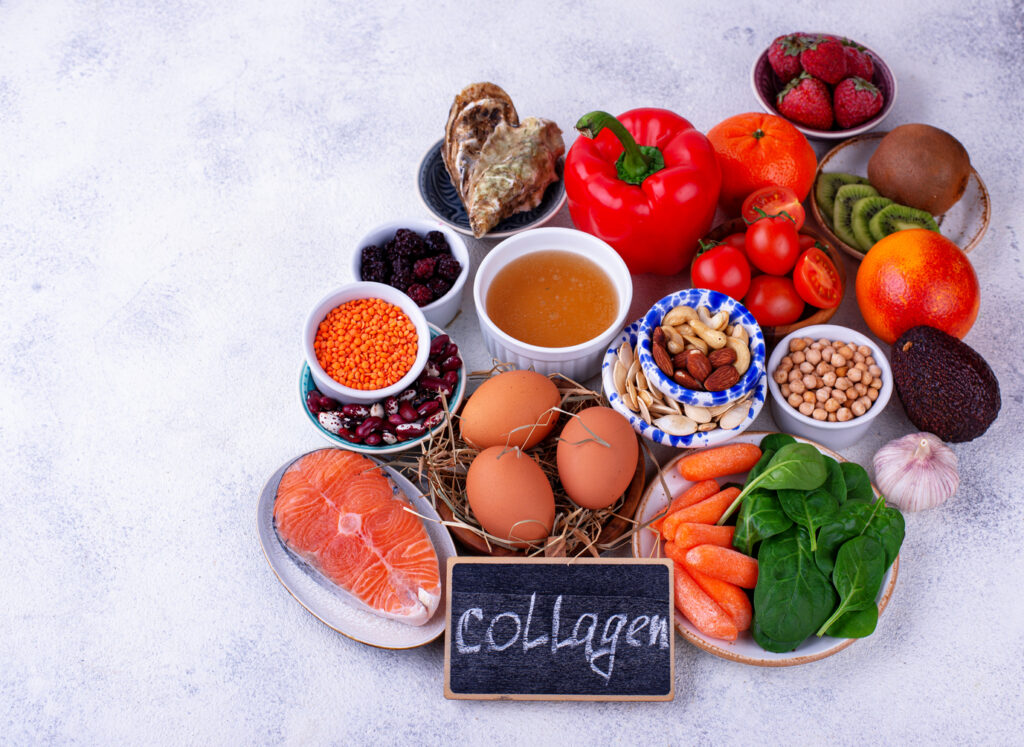
Collagen is a protein that gives your skin structure, elasticity, and firmness. As we age, collagen production naturally declines—resulting in wrinkles, sagging, and dryness. While animal-derived collagen supplements are popular, many are now turning to plant-based collagen support as a natural, sustainable alternative.
Collagen makes up about 30% of the body’s protein. It’s essential not only for youthful skin, but also for healthy joints, muscles, and connective tissue.
Factors that reduce collagen include:
Plants don’t produce collagen directly—but they contain compounds that stimulate or protect collagen in the human body. These include:
| Plant Source | Key Compound | Function |
|---|---|---|
| Amla (Indian Gooseberry) | Vitamin C | Stimulates collagen production |
| Gotu Kola | Triterpenoids | Promotes collagen synthesis & skin repair |
| Bamboo Extract | Silica | Strengthens connective tissue & elasticity |
| Pueraria Mirifica | Phytoestrogens | May support skin firmness & hydration |
| Aloe Vera | Polysaccharides | Enhances moisture and skin regeneration |
| Green Tea | EGCG | Antioxidant that protects collagen from UV damage |
Instead of replacing collagen, plant-based solutions encourage your body to produce and protect its own. They work by:
Many plant-based collagen support ingredients offer additional health perks:
Plant-based collagen support is not about replacing collagen—it’s about activating your body’s natural ability to make and preserve it. With the right herbs, nutrients, and lifestyle, you can support smoother, firmer, and healthier skin—naturally.
Visit us at: https://stherb.com/product-category/products/
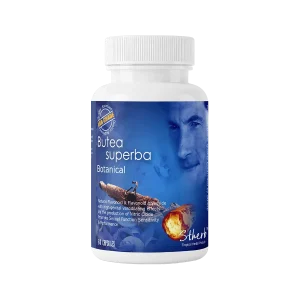
Explore Stherb’s Thai herbal skincare and supplements, crafted from research-backed botanicals.
Weight on the scale is not the same as body fat. See what research says about Pueraria Mirifica, water retention and where…
Quick answer Herbal supplement tolerance can develop when the body adapts to repeated exposure through mechanisms such as receptor downregulation, faster compound…
Quick answer Zinc and magnesium provide important nutritional support for hormone-related processes that herbal supplements depend on. Zinc is involved in testosterone…