Wellness
Does Pueraria Mirifica Cause Weight Gain?
Weight on the scale is not the same as body fat. See what research says about Pueraria Mirifica, water retention and where…


High blood pressure, also known as hypertension, is one of the most common health concerns worldwide. While modern medicine offers many effective treatments, people are increasingly searching for natural approaches to support cardiovascular health. One area of interest is phytoestrogens, plant-based compounds that mimic the effects of estrogen in the body.
But how exactly do phytoestrogens affect blood pressure? Can eating foods rich in phytoestrogens really help manage hypertension? Let’s explore the science, health benefits, and practical ways to incorporate phytoestrogens into your daily life.
Phytoestrogens are naturally occurring plant compounds with a chemical structure similar to human estrogen. Because of this similarity, they can bind to estrogen receptors in the body, either mildly mimicking or balancing estrogen activity.
There are two main types of phytoestrogens:
While phytoestrogens don’t act as strongly as natural estrogen, their gentle effect may provide health benefits, especially for women during and after menopause.
Estrogen plays a role in maintaining cardiovascular health by helping:
When estrogen levels decline, such as during menopause, women often face an increased risk of high blood pressure and heart disease. This is where phytoestrogens may step in, offering mild estrogen-like effects to support vascular health.
Several studies suggest that phytoestrogens may contribute to better cardiovascular outcomes, particularly for blood pressure management. Here are some of the possible mechanisms:
It’s important to note that results can vary depending on diet, lifestyle, and individual health conditions. Phytoestrogens are not a replacement for medical treatment, but rather a supportive, natural option.
If you want to explore the benefits of phytoestrogens, here are some nutrient-rich foods to consider:
Incorporating these foods into your daily diet not only boosts phytoestrogen intake but also provides fiber, protein, and essential nutrients.
Phytoestrogens may be especially helpful for:
However, those with hormone-sensitive conditions (like breast cancer) should consult their doctor before significantly increasing phytoestrogen intake.
Consistency is key, phytoestrogens show the best results when consumed regularly as part of a balanced diet.
Phytoestrogens may offer a natural, food-based way to support blood pressure management and cardiovascular health. While they are not a substitute for prescribed treatments, including phytoestrogen-rich foods like soy, flax, and legumes can be a simple yet powerful step toward healthier living.
For individuals concerned about hypertension, especially postmenopausal women, phytoestrogens present a promising addition to a heart-friendly diet. By blending science with nature, they help remind us that sometimes the path to better health truly begins on our plate.
Explore our website to learn more: Click Here
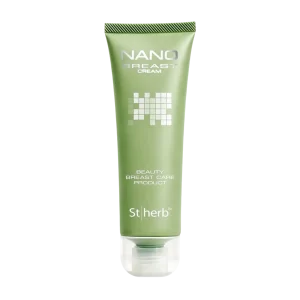
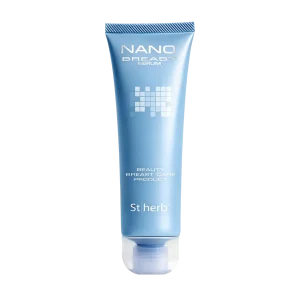
Explore Stherb’s Thai herbal skincare and supplements, crafted from research-backed botanicals.
Weight on the scale is not the same as body fat. See what research says about Pueraria Mirifica, water retention and where…
Quick answer Herbal supplement tolerance can develop when the body adapts to repeated exposure through mechanisms such as receptor downregulation, faster compound…
Quick answer Zinc and magnesium provide important nutritional support for hormone-related processes that herbal supplements depend on. Zinc is involved in testosterone…