Wellness
Does Pueraria Mirifica Cause Weight Gain?
Weight on the scale is not the same as body fat. See what research says about Pueraria Mirifica, water retention and where…

Aging gracefully isn’t just about looking younger. It’s about feeling balanced, vibrant, and confident in your own skin. While the wellness world is full of anti-aging supplements, one Thai root quietly stands out: Pueraria mirifica, thanks to its rare compound miroestrol.
Let’s break down what makes miroestrol so unique, and how it compares to other popular anti-aging ingredients.
Miroestrol is a plant-based phytoestrogen found almost exclusively in Pueraria mirifica. Structurally similar to human estrogen, it gently interacts with estrogen receptors in the body, helping restore hormonal balance without synthetic hormones (Chansakaow et al., 2000).
This matters because estrogen plays a key role in skin elasticity, collagen production, bone density, and even mood. As estrogen levels drop, especially during menopause, many people notice changes in their skin, energy, and overall vitality.
1. Collagen Boost & Skin Elasticity
Miroestrol helps stimulate collagen production, which can reduce fine lines, improve skin texture, and restore that natural glow (Trisomboon et al., 2006).
2. Hormone-Sensitive Aging Support
Unlike generic anti-aging supplements, miroestrol targets estrogen-related aging, think dry skin, thinning hair, and loss of firmness. It’s especially helpful for those navigating perimenopause or menopause (Manonai et al., 2007).
3. Bone & Cardiovascular Health
Estrogen decline affects more than just skin. Miroestrol may help maintain bone density and support heart health, making it a full-body anti-aging ally (Cherdshewasart et al., 2007).
| Supplement | Key Benefit | Limitations Compared to Miroestrol |
|---|---|---|
| Collagen peptides | Boosts skin hydration & elasticity | Doesn’t address hormonal aging or estrogen loss |
| Resveratrol | Antioxidant, supports cell repair | Limited impact on hormone-related aging |
| Hyaluronic acid | Hydrates skin, plumps fine lines | Works topically; doesn’t support internal balance |
| Soy isoflavones | Mild phytoestrogen effects | Less potent than miroestrol; broader but weaker action |
While these ingredients have their place, miroestrol offers a more targeted approach, especially for those experiencing hormone-related aging. It’s not just about smoothing wrinkles; it’s about restoring balance from the inside out.
Pueraria mirifica has been used for generations in Thai herbal medicine. Today, it’s gaining global attention for its potential to support graceful aging, naturally and holistically.
Whether taken as a supplement or applied topically, it’s a lifestyle-friendly option for those who want results without synthetic additives or complicated routines.
If you’re looking for a natural way to support your skin, hormones, and overall vitality, miroestrol in Pueraria mirifica deserves a spot on your radar. It’s more than an anti-aging ingredient, it’s a botanical ally for feeling like yourself again.
Eplore our website to learn more: Click Here
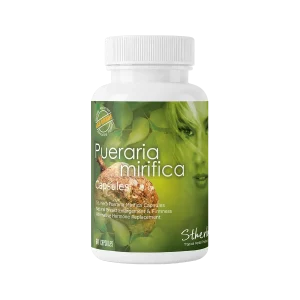
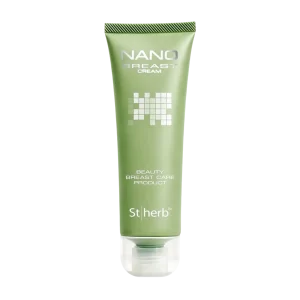
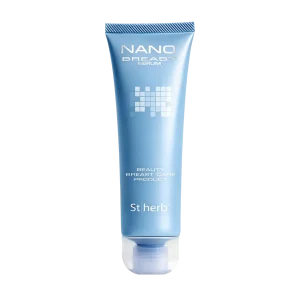
Explore Stherb’s Thai herbal skincare and supplements, crafted from research-backed botanicals.
Weight on the scale is not the same as body fat. See what research says about Pueraria Mirifica, water retention and where…
Quick answer Herbal supplement tolerance can develop when the body adapts to repeated exposure through mechanisms such as receptor downregulation, faster compound…
Quick answer Zinc and magnesium provide important nutritional support for hormone-related processes that herbal supplements depend on. Zinc is involved in testosterone…