Wellness
Does Pueraria Mirifica Cause Weight Gain?
Weight on the scale is not the same as body fat. See what research says about Pueraria Mirifica, water retention and where…

Posted in Wellness | By Yasmin S.
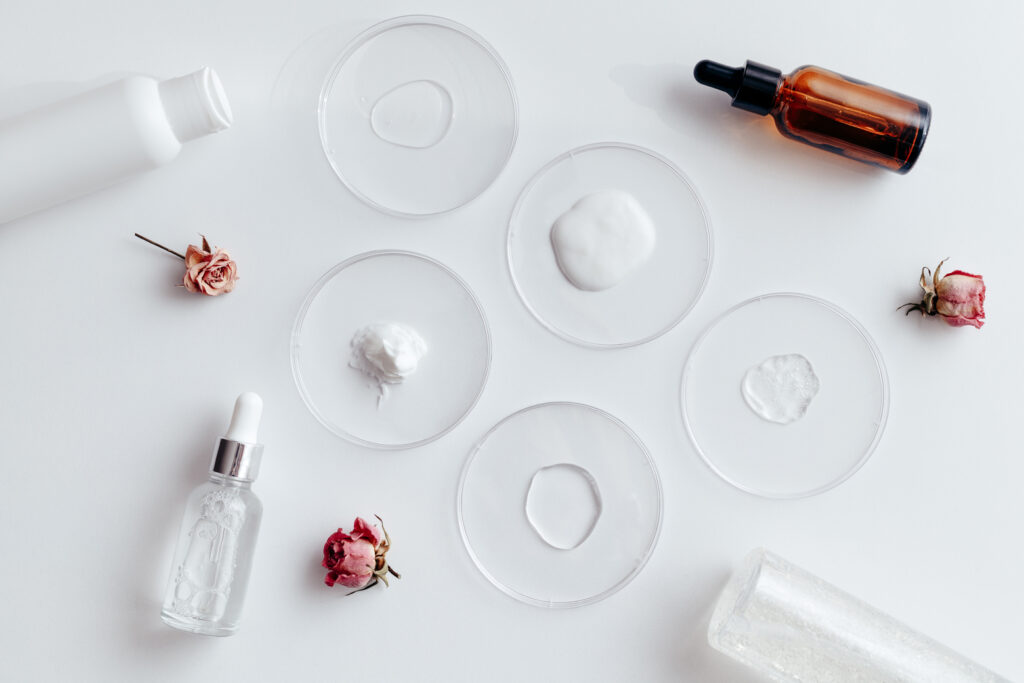
Today’s beauty lovers care about more than just results—they care about responsibility. The rise of eco-conscious herbal skincare marks a powerful shift in how we approach wellness, beauty, and the environment. But how sustainable is your current routine, really?
Let’s explore what it means to practice herbal skincare with sustainability in mind, and how you can align your beauty habits with your values.
Eco-conscious skincare goes beyond using natural ingredients. A truly sustainable skincare product considers:
When choosing eco-conscious herbal skincare, it’s important to consider the full product lifecycle—from soil to shelf to skin.
Not all herbs are created equal when it comes to sustainability. Some require vast land or water resources, while others grow easily and regenerate quickly. Look for products containing:
These herbal actives provide powerful benefits without harming the environment—when sourced responsibly.
Glass jars, paper-based cartons, and refillable bottles are increasingly common in sustainable beauty lines. If your herbal skincare products come in excessive plastic or multi-layer materials, they may be harder to recycle or reuse.
Switch to brands that offer:
Even better if they ship using recycled materials and avoid plastic wrap.
To make your herbal skincare routine more eco-conscious, consider these habits:
Sustainability in skincare is more than a trend—it’s a mindset. By choosing eco-conscious herbal skincare, you’re not only nourishing your skin with nature’s best, but you’re also helping protect the planet for future generations.
Your beauty routine can be both effective and ethical. The question is—are your skincare choices as sustainable as they could be?
Visit us at: https://stherb.com/product-category/products/
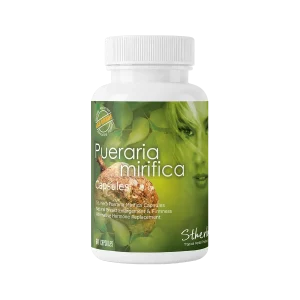
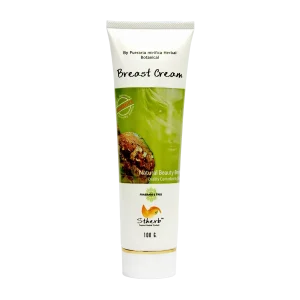
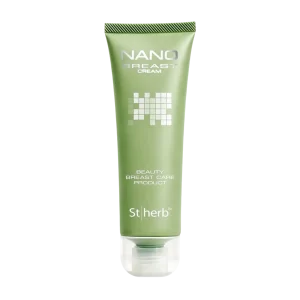
Explore Stherb’s Thai herbal skincare and supplements, crafted from research-backed botanicals.
Weight on the scale is not the same as body fat. See what research says about Pueraria Mirifica, water retention and where…
Quick answer Herbal supplement tolerance can develop when the body adapts to repeated exposure through mechanisms such as receptor downregulation, faster compound…
Quick answer Zinc and magnesium provide important nutritional support for hormone-related processes that herbal supplements depend on. Zinc is involved in testosterone…