

Antioxidant and Anti-LDL Oxidation Properties of Butea superba
Oxidative stress is widely recognized as a key pathological factor in the development of chronic diseases, particularly cardiovascular disorders such as atherosclerosis. It arises when the production of reactive oxygen species (ROS) and reactive nitrogen species (RNS) exceeds the body’s endogenous antioxidant defenses, resulting in oxidative damage to lipids, proteins, and nucleic acids (Sirichaiwetchakoon & Eumkeb, 2024). One of the most clinically relevant consequences of oxidative stress is the oxidation of low-density lipoprotein (LDL), which plays a central role in the initiation and progression of atherosclerotic plaque formation.
In recent years, there has been growing interest in plant-derived antioxidants as potential preventive strategies against oxidative stress–related diseases. Traditional medicinal plants, in particular, are increasingly being evaluated using modern scientific methods. Butea superba Roxb., a medicinal plant native to Southeast Asia, has attracted attention due to its rich phytochemical profile and reported biological activities. A 2024 study published in BMC Complementary Medicine and Therapies systematically investigated the antioxidant properties and LDL oxidation–inhibitory effects of Butea superba extract (BSE) using in vitro models (Sirichaiwetchakoon & Eumkeb, 2024).
This article critically reviews the study’s findings, experimental approach, and implications for cardiovascular health, while also discussing its limitations and future research directions.
Botanical and Ethnomedicinal Background of Butea superba

Butea superba Roxb. is a member of the Fabaceae family and is indigenous to Thailand and neighboring regions. It has long been used in traditional Thai medicine, particularly for promoting general vitality and well-being. Previous pharmacological studies have suggested antioxidant and phytoestrogenic properties; however, its effects on lipid oxidation had not been comprehensively studied prior to this investigation (Sirichaiwetchakoon & Eumkeb, 2024).
The renewed scientific interest in Butea superba is largely due to its high content of polyphenolic compounds, especially isoflavones, which are known for their antioxidant and cardioprotective potential.
LDL Oxidation and Its Role in Cardiovascular Disease
LDL particles transport cholesterol through the bloodstream and are not inherently harmful in their native state. However, when LDL is exposed to oxidative stress, it becomes oxidized LDL (oxLDL), which exhibits pro-atherogenic properties (Sirichaiwetchakoon & Eumkeb, 2024).
OxLDL contributes to cardiovascular disease through several mechanisms, including:
Induction of endothelial dysfunction
Activation of inflammatory signaling pathways
Promotion of foam cell formation and plaque development
Both ROS and RNS contribute to LDL oxidation, highlighting the importance of antioxidants capable of neutralizing multiple types of reactive species. Therefore, compounds that inhibit LDL oxidation are considered promising candidates for cardiovascular disease prevention strategies.
To assess the antioxidant potential of Butea superba extract, the researchers employed a combination of chemical antioxidant assays and biological LDL oxidation models. This multi-assay approach allowed for a comprehensive evaluation of the extract’s antioxidant mechanisms (Sirichaiwetchakoon & Eumkeb, 2024).
Antioxidant Assays
The following assays were used:
DPPH radical scavenging assay, which measures hydrogen-donating capacity
ABTS radical scavenging assay, which assesses both hydrophilic and lipophilic antioxidant activity
FRAP assay, which evaluates electron-donating ability
Nitric oxide scavenging assay
Peroxynitrite scavenging assay
Each assay targets a different oxidative pathway, providing a broader understanding of antioxidant function.
Experimental Design and Methodology

Antioxidant Activity of Butea superba Extract
Free Radical Scavenging Effects
The study demonstrated that BSE exhibited strong, concentration-dependent free radical scavenging activity across multiple assays. In both the DPPH and ABTS assays, BSE effectively neutralized free radicals, indicating substantial antioxidant capacity (Sirichaiwetchakoon & Eumkeb, 2024).
Results from the FRAP assay further confirmed the extract’s ability to donate electrons and reduce ferric ions, a critical mechanism for terminating oxidative chain reactions involved in lipid peroxidation.
Reactive Nitrogen Species Scavenging
In addition to ROS, BSE showed notable scavenging activity against RNS, including nitric oxide and peroxynitrite. These reactive species are particularly relevant to vascular inflammation and endothelial dysfunction. The extract’s activity was comparable to standard antioxidants such as gallic acid in several assays (Sirichaiwetchakoon & Eumkeb, 2024).
Inhibition of Human LDL Oxidation

ROS-Induced LDL Oxidation Model
Using AAPH as a free radical initiator, the researchers induced oxidative modification of isolated human LDL. BSE significantly delayed the formation of conjugated dienes, a key marker of lipid peroxidation, indicating effective protection against ROS-mediated LDL oxidation (Sirichaiwetchakoon & Eumkeb, 2024).
RNS-Induced LDL Oxidation Model
In a separate experiment using SIN-1 to generate peroxynitrite, BSE also significantly inhibited LDL oxidation. This finding is particularly important, as RNS-induced oxidative damage is often more aggressive and biologically detrimental (Sirichaiwetchakoon & Eumkeb, 2024).
Collectively, these results suggest that Butea superba extract can protect LDL particles from both oxygen- and nitrogen-based oxidative damage.
Phytochemical Analysis and Mechanisms of Action
LC–MS/MS analysis revealed that BSE contains several bioactive isoflavones, including genistein, daidzein, and biochanin A (Sirichaiwetchakoon & Eumkeb, 2024). These compounds are well documented for their antioxidant and cardioprotective properties.
Isoflavones exert antioxidant effects through multiple mechanisms:
Hydrogen and electron donation
Free radical stabilization
Metal ion chelation
Modulation of oxidative signaling pathways
These mechanisms likely underpin the observed antioxidant and anti-LDL oxidation effects of BSE.
Implications for Cardiovascular Health

The ability to inhibit LDL oxidation is a critical target in preventing atherosclerosis. The findings of this study suggest that Butea superba extract may serve as a promising natural source of antioxidants for cardiovascular health applications (Sirichaiwetchakoon & Eumkeb, 2024).
Potential applications include:
Nutraceutical formulations
Functional foods
Herbal supplements aimed at oxidative stress reduction
However, these implications remain preliminary and should not be interpreted as clinical recommendations.
Conclusion
The 2024 study by Sirichaiwetchakoon and Eumkeb provides strong in vitro evidence that Butea superba Roxb. extract possesses potent antioxidant properties and effectively inhibits human LDL oxidation. Its capacity to neutralize both ROS and RNS, combined with a rich isoflavone profile, positions it as a promising candidate for further cardiovascular research.
While clinical validation is still required, this study reinforces the scientific value of traditional medicinal plants as sources of bioactive compounds with potential modern health applications.
Explore our website for Special Deals
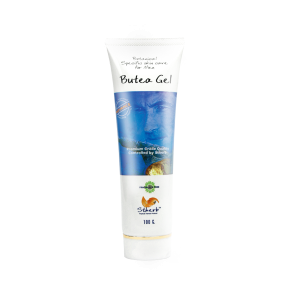
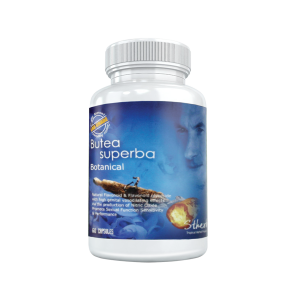
St.herb Butea Superba Products
References
Sirichaiwetchakoon K, Eumkeb G. (2024). Free radical scavenging and anti-isolated human LDL oxidation activities of Butea superba Roxb. extract. BMC Complementary Medicine and Therapies, 24, 75. https://doi.org/10.1186/s12906-024-04373-w