The Response of Estrogen Receptors to Pueraria Mirifica

The Response of Estrogen Receptors to Pueraria Mirifica

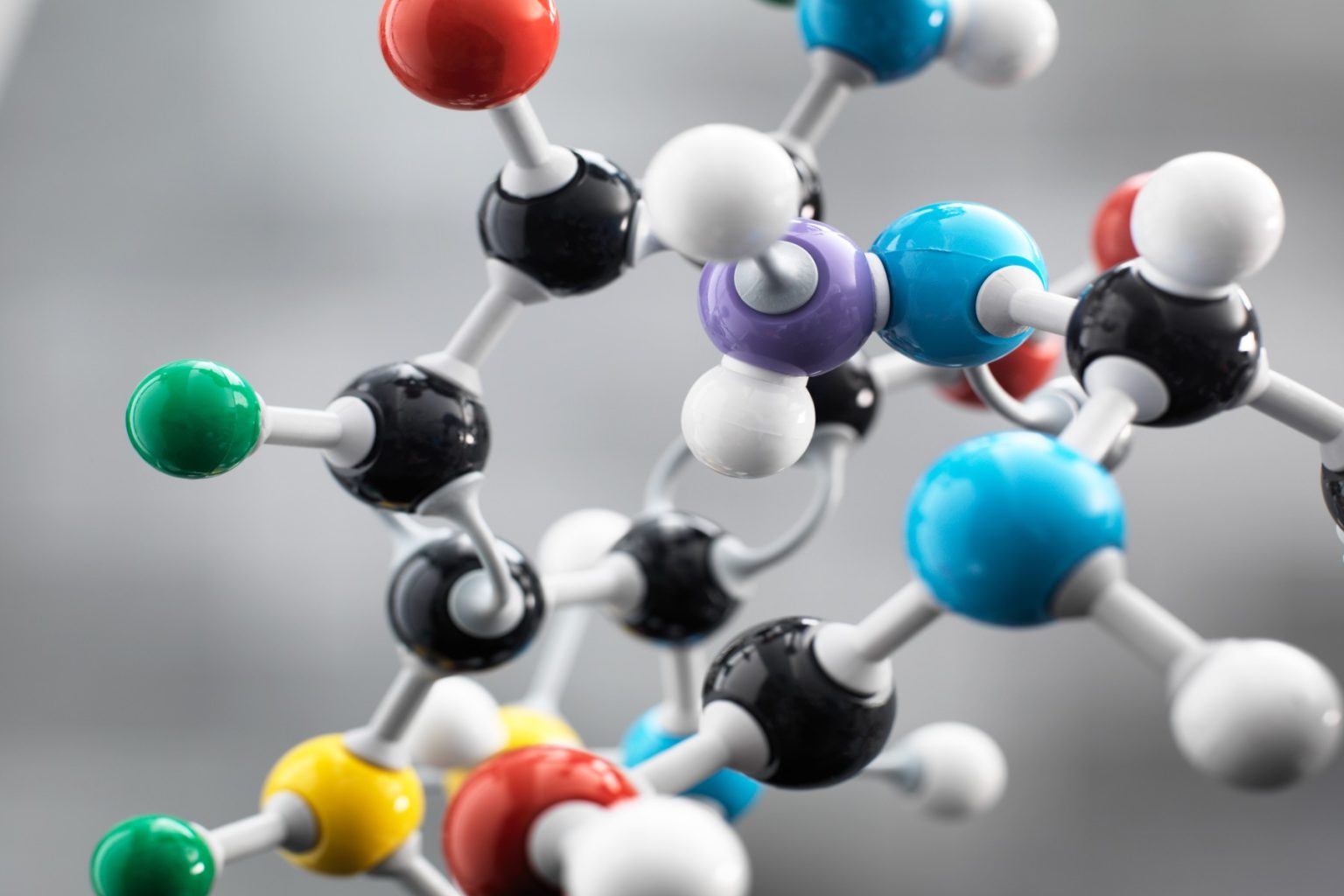
Abstract illustration of estrogen receptors interacting with phytoestrogens in the human body.
Hormonal balance depends not only on hormone levels but on how receptors respond. The specific biological response of estrogen receptors to Pueraria mirifica acts like a selective switch, translating natural chemical signals into cellular benefits.

Understanding Estrogen Receptors

ER-alpha

linked to reproductive tissues and cell proliferation

ER-beta

associated with skin integrity, bone density, nervous system balance, and anti-inflammatory effects

How Pueraria mirifica Interacts with Receptors

Phytoestrogens in Pueraria mirifica bind preferentially to ER-beta. This selective interaction explains why the herb is often associated with skin firmness, breast tissue support, and aging-related wellness rather than aggressive hormonal stimulation.

Why Receptor Selectivity Matters

Overactivation of ER-alpha is associated with unwanted tissue stimulation. ER-beta activation, on the other hand, supports:

  • Collagen production
  • Cellular repair
  • Inflammation regulation
  • Hormonal resilience

This receptor balance is especially relevant during perimenopause and menopause.

Conclusion

Pueraria mirifica does not simply “add estrogen.” It communicates with estrogen receptors in a nuanced, biologically respectful way. This receptor-focused mechanism helps explain its long-standing use in traditional medicine and its modern relevance for hormonal balance.
Shopping Cart