Wellness
Does Pueraria Mirifica Cause Weight Gain?
Weight on the scale is not the same as body fat. See what research says about Pueraria Mirifica, water retention and where…

Posted in Wellness | By Yasmin S.
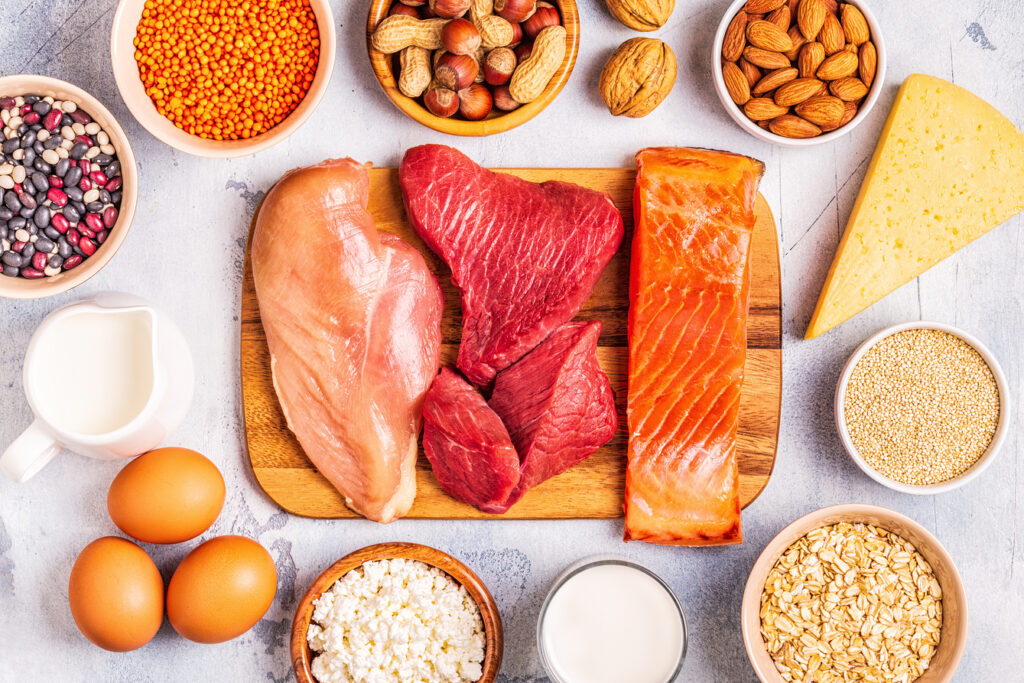
Protein is essential for building muscle, repairing tissues, and supporting your immune system. If you don’t get enough protein, your body can show several warning signs. Here are 8 common indicators that you might need to increase your protein intake:
Without enough protein, your body lacks the building blocks to maintain muscle and energy, leading to persistent tiredness.
Protein is crucial for muscle repair and growth. If you notice muscle loss or struggle to build muscle, your protein intake might be too low.
Protein deficiency can cause brittle nails, thinning hair, and dry skin because these tissues need protein to stay healthy.
Protein helps repair damaged tissues. If wounds or injuries take longer to heal, it might be due to insufficient protein.
Low protein intake can disrupt hunger hormones, causing stronger cravings and frequent hunger pangs.
Protein helps maintain fluid balance in your body. Deficiency can lead to swelling, especially in the legs and feet.
Protein is important for neurotransmitter production. Lack of protein can lead to irritability, mood swings, and difficulty concentrating.
If you catch colds or infections often, low protein might be a factor, as it’s needed to build antibodies and immune cells.
Recognizing the signs of protein deficiency early helps you make dietary adjustments before health issues develop. Balanced protein intake supports your energy, strength, and overall wellness every day.
Visit us at: https://stherb.com/product-category/products/
Explore Stherb’s Thai herbal skincare and supplements, crafted from research-backed botanicals.
Weight on the scale is not the same as body fat. See what research says about Pueraria Mirifica, water retention and where…
Quick answer Herbal supplement tolerance can develop when the body adapts to repeated exposure through mechanisms such as receptor downregulation, faster compound…
Quick answer Zinc and magnesium provide important nutritional support for hormone-related processes that herbal supplements depend on. Zinc is involved in testosterone…