Wellness
Does Pueraria Mirifica Cause Weight Gain?
Weight on the scale is not the same as body fat. See what research says about Pueraria Mirifica, water retention and where…

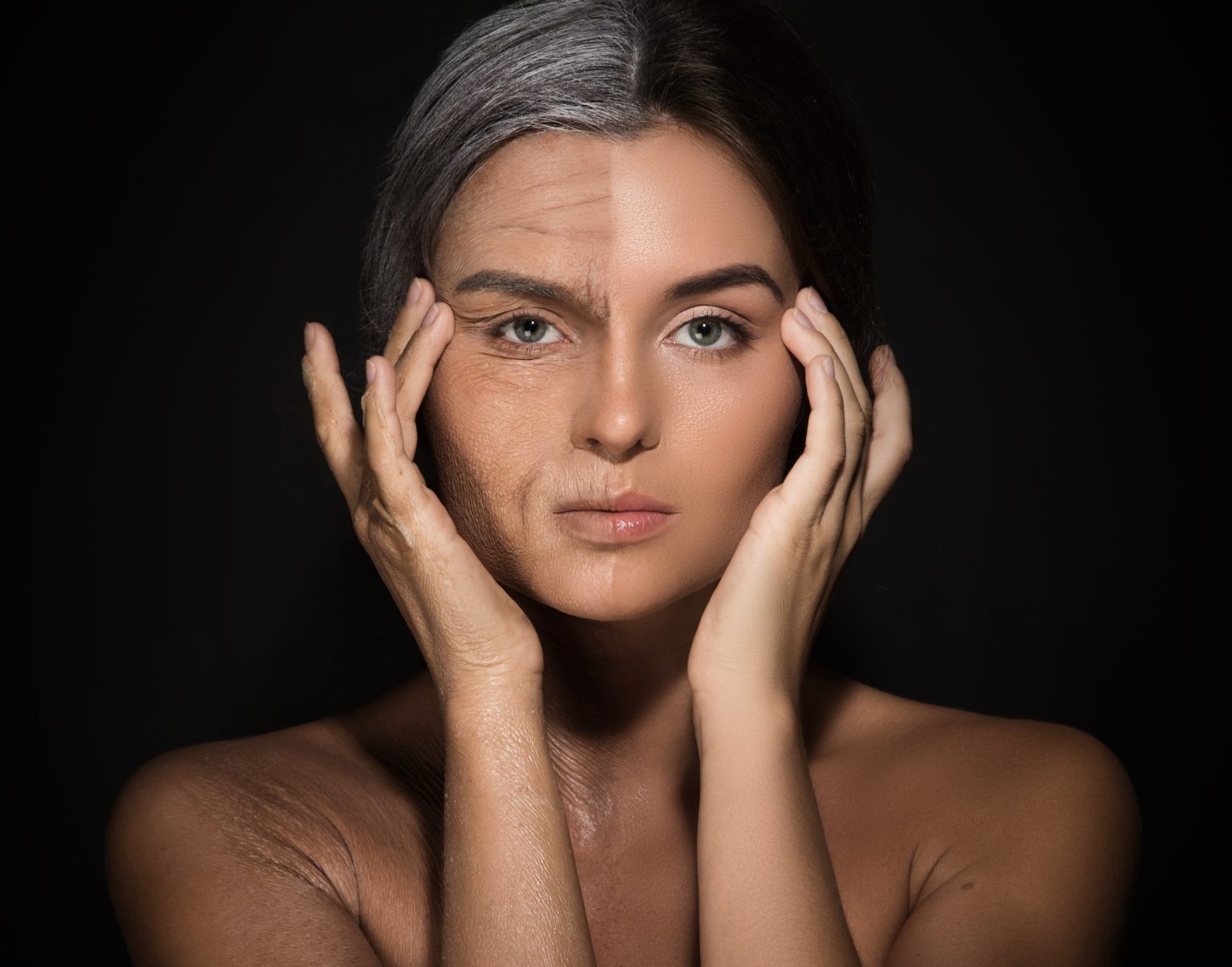
When it comes to health supplements, timing is everything. Whether it’s collagen for skin, calcium for bones, or Pueraria mirifica for hormonal balance, your age plays a key role in how effectively your body responds. But when is the best age to start taking Pueraria mirifica? The Thai herbal treasure known for its rejuvenating phytoestrogens? Let’s explore the right age to take Pueraria mirifica.
Let’s explore how age, biology, and individual health goals intersect to determine the right moment to introduce Pueraria mirifica and other wellness supplements.
Pueraria mirifica (Kwao Krua Kao) is a leguminous plant native to northern Thailand and Myanmar, traditionally used for rejuvenation and hormone-related balance.
Its power lies in phytoestrogens, plant-derived compounds like miroestrol and deoxymiroestrol — that mimic estrogen activity in the body (Cherdshewasart et al., 2008).
These compounds help balance hormones, support skin elasticity, bone density, and even mood — but the benefits depend on the user’s age and hormonal state.
At this age, estrogen levels are typically stable, and most individuals don’t need phytoestrogen supplementation. However, for those experiencing early menstrual irregularities or hormonal imbalances due to stress or lifestyle, a low-dose Pueraria mirifica supplement may help support cycle regularity and skin health.
The 30s are often when early hormonal fluctuations begin, especially for women with pregnancy, stress, or declining estrogen levels.
Pueraria mirifica may help support estrogen balance, improving skin firmness and libido while also preserving bone density and cardiovascular health (Laupattarakasem et al., 2009).
This is when most users begin to see tangible benefits from Pueraria mirifica. Estrogen levels in women and testosterone in men start to decline, leading to fatigue, skin changes, and mood instability.
Clinical research shows that 20–50 mg/day of Pueraria mirifica improved lipid balance and reduced bone turnover in postmenopausal women without adverse estrogenic side effects (Muangman & Cherdshewasart, 2001).
During menopause and beyond, the body’s natural estrogen production is greatly reduced. Pueraria mirifica may act as a gentle natural alternative to hormone replacement therapy, improving menopausal symptoms such as hot flashes, dryness, and mood swings (Turner et al., 2020).
For men, its phytoestrogens may help balance testosterone-estrogen ratios and support cardiovascular function.
While Pueraria mirifica is generally considered safe in moderate doses, age, hormonal health, and medical conditions matter. Overuse or high doses may cause unwanted estrogenic effects. It’s best to begin with 20–50 mg/day and monitor body response (Efficacy & Safety Review, 2018).
Always consult with a qualified healthcare provider — particularly for those with a history of hormone-sensitive conditions.
There’s no one-size-fits-all “perfect age” to start taking Pueraria mirifica. Instead, the ideal time depends on your body’s needs, hormonal rhythm, and wellness goals. Whether you’re in your 30s aiming for prevention or in your 50s seeking rejuvenation, Pueraria mirifica can be a natural ally — when used wisely and responsibly.
Cherdshewasart, W., et al. (2008). Medical applications of phytoestrogens from the Thai herb Pueraria mirifica. Frontiers in Pharmacology, 4, 112. https://doi.org/10.3389/fphar.2012.00112
Laupattarakasem, P., Prachaney, P., Navasumrit, P., et al. (2009). Pueraria mirifica phytoestrogens improve dyslipidemia in postmenopausal women probably by activating estrogen receptor subtypes. Clinical Interventions in Aging, 4, 543–552.
Muangman, Y., & Cherdshewasart, W. (2001). Clinical trial of the phytoestrogen-rich herb, Pueraria mirifica as a crude drug in the treatment of symptoms in menopausal women. Siriraj Medical Journal, 53(5).
Turner, J., et al. (2020). A comprehensive review on Pueraria: Insights on its chemistry and health benefits. Fitoterapia, 147, 104799. https://doi.org/10.1016/j.fitote.2020.104799
Explore our website for more content: Click Here
Explore Stherb’s Thai herbal skincare and supplements, crafted from research-backed botanicals.
Weight on the scale is not the same as body fat. See what research says about Pueraria Mirifica, water retention and where…
Quick answer Herbal supplement tolerance can develop when the body adapts to repeated exposure through mechanisms such as receptor downregulation, faster compound…
Quick answer Zinc and magnesium provide important nutritional support for hormone-related processes that herbal supplements depend on. Zinc is involved in testosterone…