
Wellness
Does Pueraria Mirifica Cause Weight Gain?
Weight on the scale is not the same as body fat. See what research says about Pueraria Mirifica, water retention and where…

Posted in Wellness | By Yasmin S.
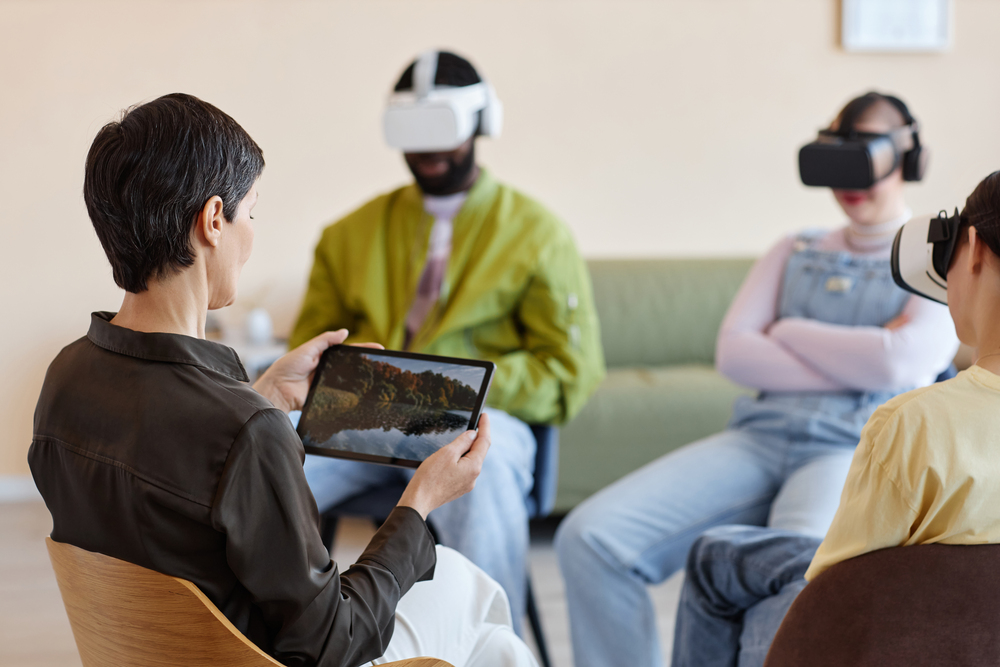
In 2025, mental health technology is playing a bigger role than ever before. The demand for mental health support continues to rise worldwide, and innovative technologies are making care more accessible, effective, and personalised.
Many people today experience anxiety, depression, or stress-related conditions. Traditional therapy is still important, but mental health tech offers new options for those who cannot visit a therapist regularly or prefer self-guided care.
Artificial intelligence (AI) is at the heart of many new mental health apps. These apps can:
Because AI can analyse patterns in user responses, these apps adapt recommendations to suit each individual. This makes mental health support more accessible to people anytime and anywhere, whether at home, work, or during travel.
Virtual reality is also transforming mental health care. VR therapy creates safe, controlled environments where people can:
For example, patients with PTSD can re-experience and process traumatic events through VR exposure therapy, guided by a therapist, to reduce emotional distress and gain better control over their reactions.
One of the greatest benefits of mental health tech is its ability to reduce stigma. Many people avoid therapy because of fear or embarrassment. Apps and VR tools provide private, discreet options that encourage more people to seek help.
Moreover, mental health tech reaches communities where access to professional therapists is limited. In rural areas or countries with few mental health specialists, these technologies bridge critical gaps in care.
As we move further into 2025, mental health technology will continue to evolve. Hospitals and clinics are integrating these tools into treatment programs. AI is expected to become even more sophisticated in detecting early signs of mental health issues, while VR will expand into group therapy, stress reduction programs, and workplace mental health training.
Mental health tech is not a replacement for professional care, but it is a powerful partner. By combining technology with traditional therapy, the world can build a future where mental wellness is accessible to all.
Visit us at: https://stherb.com/product-category/products/
Explore Stherb’s Thai herbal skincare and supplements, crafted from research-backed botanicals.
Weight on the scale is not the same as body fat. See what research says about Pueraria Mirifica, water retention and where…
Quick answer Herbal supplement tolerance can develop when the body adapts to repeated exposure through mechanisms such as receptor downregulation, faster compound…
Quick answer Zinc and magnesium provide important nutritional support for hormone-related processes that herbal supplements depend on. Zinc is involved in testosterone…