Herbal Phytoestrogens and Anti-Aging: Plant-Based Hormonal Support
Understanding Phytoestrogens
- Isoflavones (genistein, daidzein)
- Coumestans
- Lignans
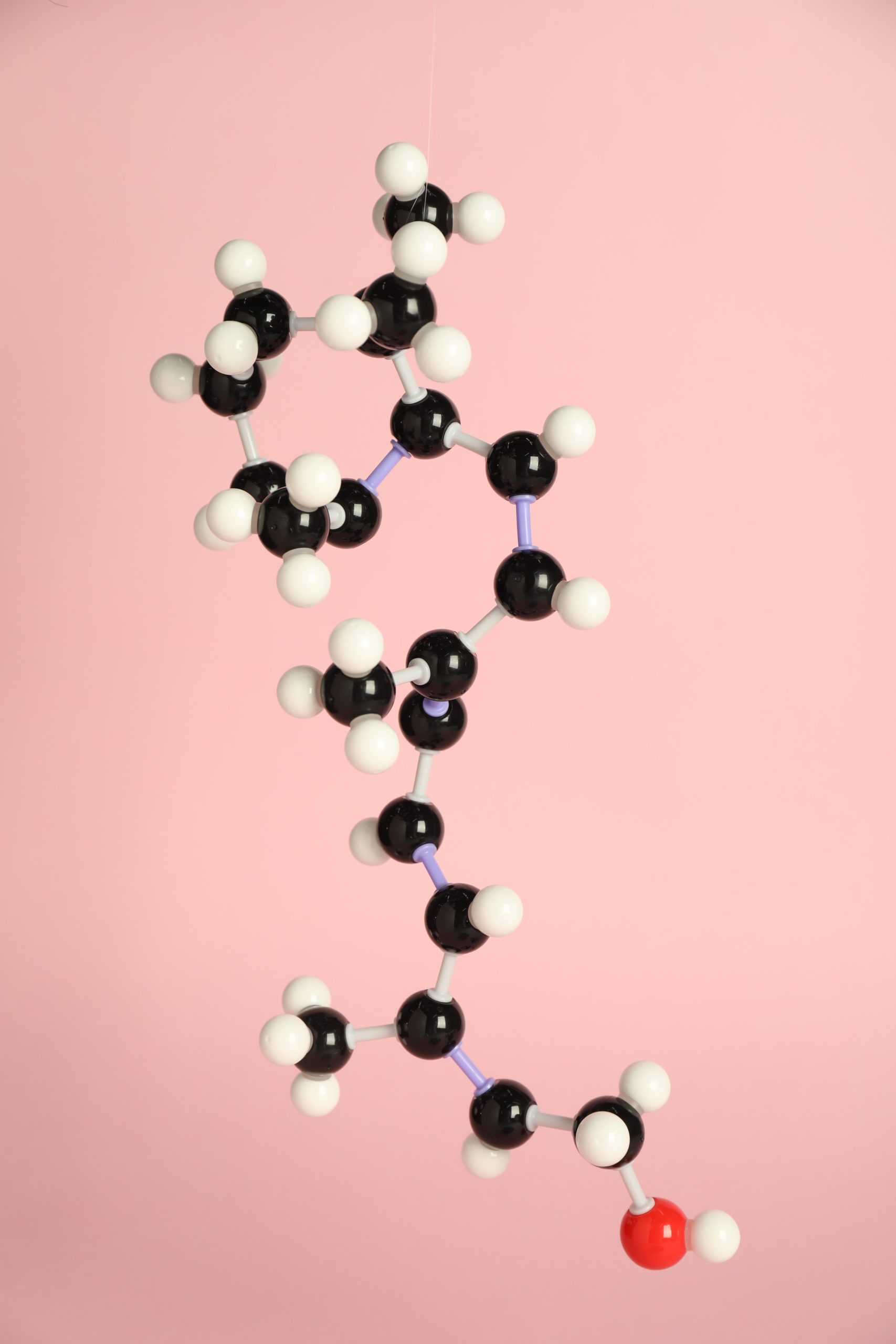
- Unique miroestrol compounds (found in Pueraria mirifica)
How Phytoestrogens Relate to Anti-Aging Biology
Skin structure and elasticity
Estrogen supports collagen production, dermal thickness, hydration, and wound repair. Reduced estrogen is associated with wrinkles, dryness, and skin thinning. Phytoestrogens have been shown to stimulate fibroblast activity, enhance collagen synthesis, and reduce oxidative damage within the skin.
Cellular protection and antioxidant defense
Many phytoestrogens exhibit strong antioxidant properties. They help neutralize free radicals, reduce lipid peroxidation, and protect mitochondrial function, processes closely linked to visible aging and chronic disease development.
Bone and connective tissue integrity
Estrogen deficiency accelerates bone resorption and connective tissue weakening. Phytoestrogens have demonstrated the ability to support osteoblast activity and suppress excessive bone breakdown, contributing to structural longevity.
Metabolic and cardiovascular aging
Estrogen influences insulin sensitivity, lipid metabolism, and vascular elasticity. Phytoestrogens may assist in maintaining healthy cholesterol balance, endothelial function, and inflammatory regulation, factors directly related to biological aging.
Neurological and emotional aging
Estrogen receptors are abundant in the brain. Phytoestrogens are being investigated for their neuroprotective potential, including effects on cognitive aging, mood stability, and oxidative stress in neural tissue.
Herbal Sources of Phytoestrogens
- Soy and red clover (isoflavones)
- Flaxseed and whole grains (lignans)
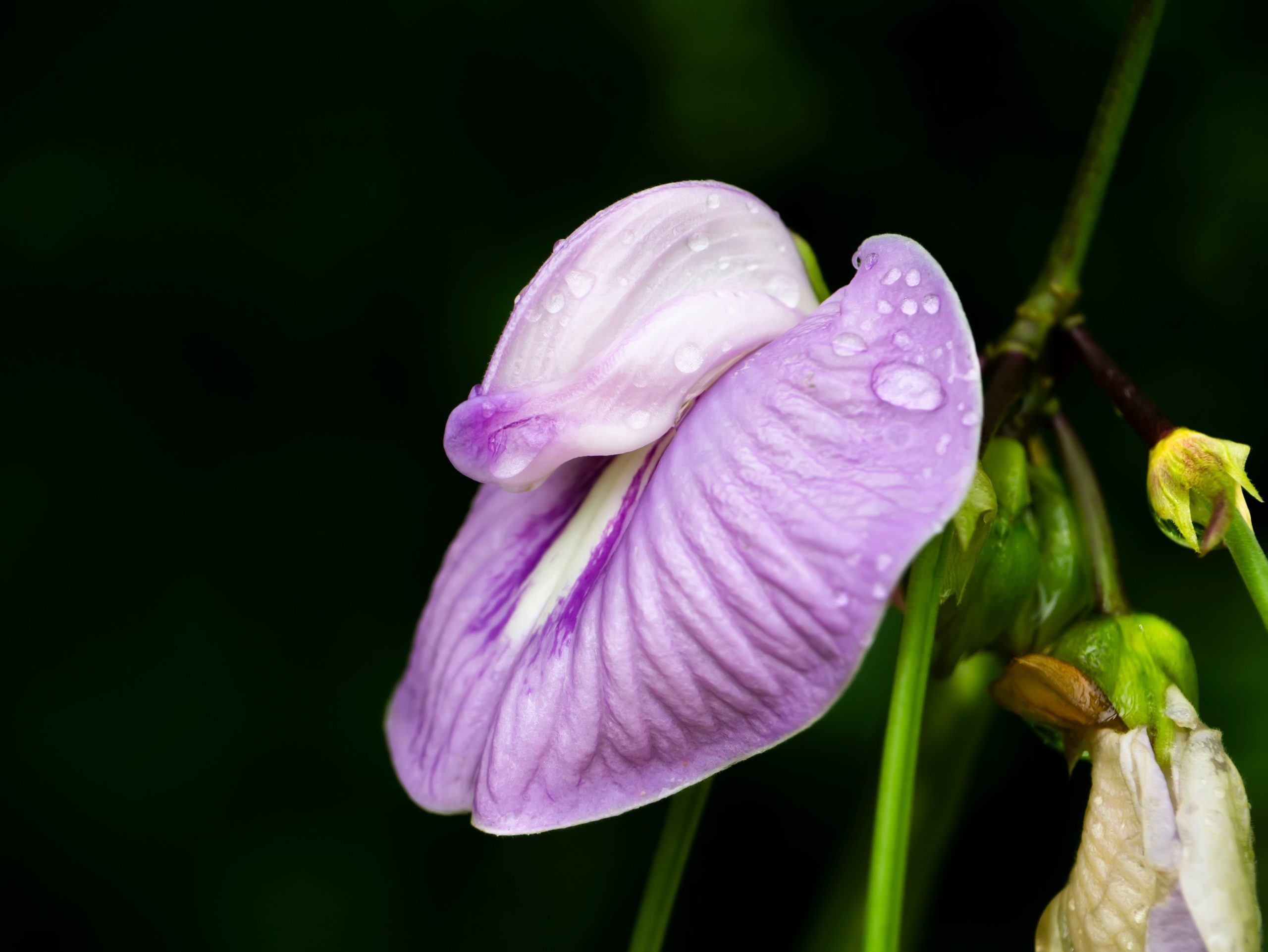
- Kudzu species and Pueraria mirifica (root-based phytoestrogens)
- Alfalfa and legumes (coumestans)

Among these, Pueraria mirifica has drawn scientific interest due to its unique estrogen-active compounds such as miroestrol and deoxymiroestrol, which demonstrate strong receptor affinity and antioxidant capacity.
Why Herbal Phytoestrogens Are Relevant to Modern Anti-Aging
Modern anti-aging science no longer focuses only on cosmetic outcomes. True longevity science emphasizes:
- Hormonal signaling balance
- Inflammatory regulation
- Cellular protection
- Metabolic flexibility
- Tissue repair capacity
Herbal phytoestrogens align naturally with this systems-based view of aging. Rather than forcing hormonal changes, they support the body’s own regulatory intelligence, encouraging resilience rather than replacement. This makes phytoestrogens particularly relevant for individuals navigating hormonal transitions such as perimenopause, menopause, metabolic aging, and skin aging processes.