Active Compounds in Pueraria mirifica and How They Work
SA
Supawat Arrakrattanakun
Jan 23, 2026 · 1 min read
Active Compounds in Pueraria mirifica and How They Work
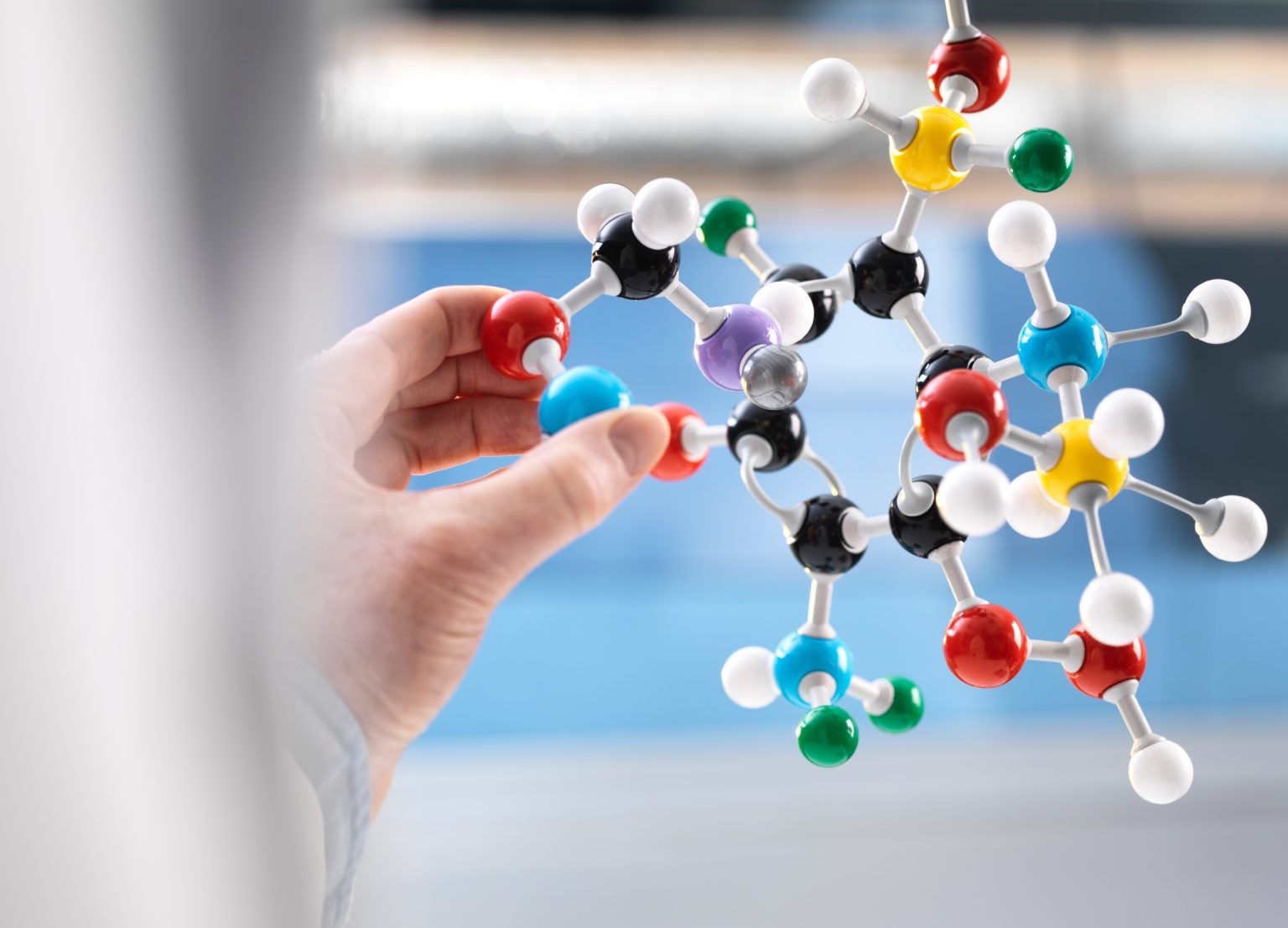
The biological activity of Pueraria mirifica arises from its complex phytochemical structure. Rather than relying on a single molecule, its effects reflect the synergy between estrogen-like compounds and antioxidant constituents.
Key Active Constituents
These compounds contribute to receptor interaction, antioxidant activity, and cellular signaling. Pueraria mirifica contains:
Miroestrol
Deoxymiroestrol
Isoflavones (genistein, daidzein)
Coumestans & Flavonoids
Mechanisms of Action
Phytoestrogens bind primarily to estrogen receptors ER-α and ER-β. Through these interactions, they influence:
Collagen production
Lipid metabolism
Cellular hydration
Vascular regulation
Inflammatory signaling
Unlike synthetic hormones, many phytoestrogens exhibit selective modulation, meaning their effects vary by tissue type and hormonal context.
Cellular and Systemic Influence
Their combined activity reflects botanical complexity rather than isolated stimulation. Research suggests these compounds may support:
Skin density and elasticity
Antioxidant defense systems
Endocrine communication
Tissue repair processes
Metabolic stability
Safety and Responsible Use
Because Pueraria mirifica interacts with estrogen pathways, the individual context is critical. It may not be appropriate for everyone and should be approached with informed guidance, especially for those with hormone-sensitive conditions.
Conclusion
The biological influence of Pueraria mirifica arises not from a single compound, but from a complex network of plant molecules working together. Miroestrol, deoxymiroestrol, isoflavones, and antioxidant flavonoids form a biochemical system capable of interacting with estrogen receptors, cellular signaling pathways, and tissue repair processes.
This multi-compound nature reflects how botanical medicines differ from isolated pharmaceuticals. Rather than forcing singular outcomes, they tend to modulate systems, supporting balance, adaptation, and responsiveness. These interactions help explain the growing interest in Pueraria mirifica within modern wellness and skincare research.
Disclaimer: This article is for educational purposes only and is not medical advice. Consult a qualified healthcare professional before starting any supplement, especially if you are pregnant, nursing, taking medication, or have a medical condition.
SA
Supawat Arrakrattanakun
Stherb Editorial Team
The Stherb editorial team writes about Thai herbal science, women’s and men’s wellness, and the traditional botanicals behind our products.
Continue your wellness journey
Explore Stherb’s Thai herbal skincare and supplements, crafted from research-backed botanicals.
Quick answer Herbal supplement tolerance can develop when the body adapts to repeated exposure through mechanisms such as receptor downregulation, faster compound…
Quick answer Zinc and magnesium provide important nutritional support for hormone-related processes that herbal supplements depend on. Zinc is involved in testosterone…
·5 min read
Stay in the loop
Get the Journal in Your Inbox
Skincare rituals, herbal science and subscriber-only offers — a couple of times a month, no noise.