
Wellness
Does Pueraria Mirifica Cause Weight Gain?
Weight on the scale is not the same as body fat. See what research says about Pueraria Mirifica, water retention and where…

Posted in Wellness | By Yasmin S.

Stress is a natural response that helps us survive short-term challenges. But when stress becomes chronic—lasting weeks, months, or even years—it disrupts nearly every system in the body. From hormonal imbalance to poor digestion and sleep issues, long-term stress leaves a heavy toll. The good news? You can rebalance your body after long-term stress using natural and sustainable approaches.
When you’re under prolonged stress, the body stays in “fight or flight” mode, flooding your system with cortisol and adrenaline. Over time, this can lead to:
The adrenal glands regulate stress hormones. After chronic stress, they may be overworked or dysregulated.
Try:
Long-term stress depletes key nutrients like B vitamins, magnesium, zinc, and omega-3s.
Eat more of:
Chronic stress can disrupt the balance between estrogen and progesterone, leading to PMS, irregular cycles, or skin issues.
Consider:
Intense workouts may increase cortisol in already-stressed systems. Choose movement that soothes rather than strains.
Best options:
The nervous system needs time in “rest and digest” mode to heal.
Use techniques like:
Sleep is where the body truly rebalances. Chronic stress often damages sleep cycles, so you may need to “train” your body to rest again.
Tips:
Everyone’s timeline is different. Some may feel better in weeks, others need months. The key is consistency and kindness to yourself—healing is not linear.
Start small. Add one supportive habit at a time. Over time, the body responds.
To rebalance your body after long-term stress, think gentle, natural, and consistent. Nourish your body, move with intention, rest deeply, and support your nervous and hormonal systems. You don’t need to push harder—you need to listen more softly.
Visit us at: https://stherb.com/product-category/products/
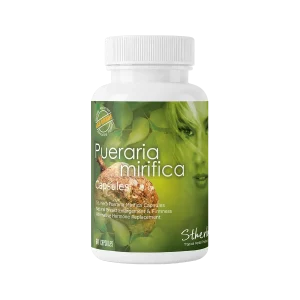
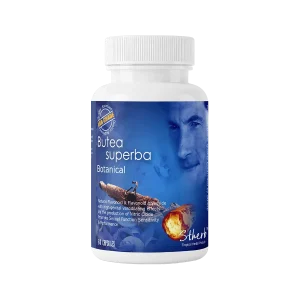
Explore Stherb’s Thai herbal skincare and supplements, crafted from research-backed botanicals.
Weight on the scale is not the same as body fat. See what research says about Pueraria Mirifica, water retention and where…
Quick answer Herbal supplement tolerance can develop when the body adapts to repeated exposure through mechanisms such as receptor downregulation, faster compound…
Quick answer Zinc and magnesium provide important nutritional support for hormone-related processes that herbal supplements depend on. Zinc is involved in testosterone…